What Is a Wax Pen Atomizer and How Does It Work?
A Wax Pen Atomizer is the heating core inside a compact vaporizer. It converts approved, legally sold materials into inhalable aerosol through controlled heat. The assembly usually includes a coil or ceramic chamber, a battery connection, airflow paths, and a mouthpiece. Each part affects performance.
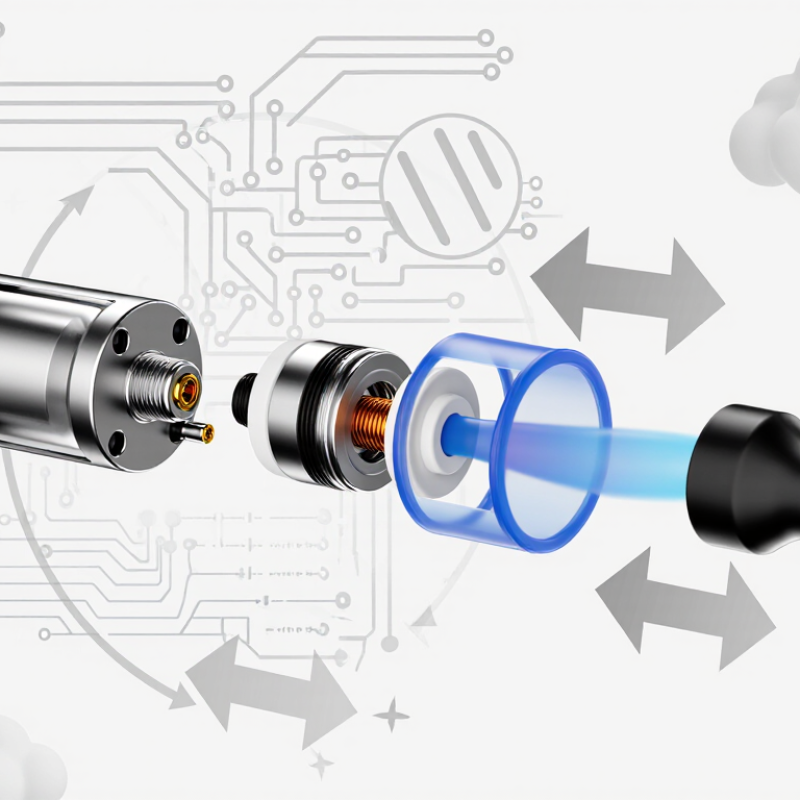
When the user activates the device, the battery sends current through the heating element. The element warms the chamber within seconds. Air then passes across the heated surface and carries the aerosol outward. Ceramic models often provide even heating. Coil models may heat faster. Neither design is automatically safer.
Industry data gives useful context, but its limits matter. Grand View Research estimated the global e-cigarette market at about USD 18.13 billion in 2023. IMARC Group also reports continued growth across vaporizer devices. These reports often combine different product categories. Wax pen atomizer figures remain less consistent. That gap deserves attention.
Dr. Riccardo Polosa, a tobacco-harm researcher, has stated, “E-cigarettes are not harmless, but they are substantially less harmful than combustible tobacco.” His warning applies to device quality and heating behavior. Material choice, temperature control, residue buildup, and battery condition can change emissions. A darkened chamber may signal contamination. A harsh taste may indicate overheating. Small details matter.
This guide explains how a Wax Pen Atomizer works, what its components do, and where performance can decline. It focuses on legal products, manufacturer instructions, and responsible use. Some technical claims remain debated. That uncertainty should not be hidden. Reliable information requires careful testing, transparent sourcing, and a willingness to revise conclusions.
What Is a Wax Pen Atomizer?
A wax pen atomizer is the heating chamber inside a compact vaporizer. It is not the battery or the mouthpiece. Its main job is to turn a small amount of approved, waxy material into an inhalable aerosol. Most atomizers contain a coil, ceramic heating surface, or similar element inside a metal or glass chamber. When the battery supplies power, the element heats the material without creating an open flame.
The process is simple, but the details matter. A low setting may produce a thin cloud and preserve flavor. A high setting can create denser vapor, yet it may also overheat the material and leave a burnt taste. Air enters through small openings, moves across the heated surface, and carries the aerosol toward the mouthpiece. The result can feel smooth or harsh, depending on airflow, temperature, and chamber design. Small changes matter.
Keep it clean.
Residue can restrict airflow and reduce heating efficiency. After the chamber cools, users should follow the device instructions and use suitable cleaning tools. Avoid water near electronic parts. An atomizer is not maintenance-free, even when it looks clean. Repeated overheating can shorten its service life, and a damaged chamber should not be used. Choose only materials legally permitted in your area and intended for that device. Terms and regulations differ, so checking local guidance is part of responsible use.
Key Components and Their Functions
What Is a Wax Pen Atomizer and How Does It Work?
A wax pen atomizer is the heating section that turns a compatible, legal wax material into inhalable vapor. It usually contains a heating chamber, coil or ceramic element, airflow openings, and a mouthpiece. The battery sends controlled power through the heating element. Heat then reaches the material inside the chamber.
Each component has a specific job. The chamber holds the material and should resist heat and residue. A coil heats quickly, while ceramic heating surfaces often provide more even contact. The airflow path draws vapor toward the mouthpiece. The battery connector transfers electrical power, and the control button manages activation time. In practical use, heat settings affect flavor, vapor volume, and chamber cleanliness. More heat is not always better. It may cause harsh vapor or leave stubborn residue.
Tips: Start with a small amount and use short heating cycles. Keep the mouthpiece clear and inspect the chamber after cooling. A cotton swab can remove light buildup, but never clean a warm atomizer. Follow the device instructions and use only materials approved for that device. One detail is easy to miss: blocked airflow can make the battery work harder. I once assumed weak vapor meant low power, but restricted airflow was the real issue. Specifications also vary, so general advice cannot replace the manufacturer’s safety guidance.
How a Wax Pen Atomizer Works Step by Step
What Is a Wax Pen Atomizer and How Does It Work?
A wax pen atomizer is the heating chamber inside a compact vapor device. It converts approved wax material into an inhalable aerosol through controlled heat. The atomizer usually contains a coil, a chamber, and a mouthpiece connection. Some models use ceramic heating surfaces instead of exposed metal coils. These designs may distribute heat more evenly, although results can still vary.
How a Wax Pen Atomizer Works Step by Step
When the battery activates, electrical current reaches the heating element. The coil then becomes hot within a few seconds. Place only the amount recommended by the manufacturer into the chamber. Too much material can block airflow or cause leakage. As the material warms, it softens and produces vapor. That vapor travels through the chamber and exits through the mouthpiece. A temperature setting controls the heating intensity. Lower heat may preserve flavor, while higher heat can create thicker vapor. The process sounds simple, but heating is not perfectly consistent. Battery age, chamber cleanliness, and material texture can change performance.
Tips: Use only legally permitted, manufacturer-approved materials. Keep the device upright during storage. Clean the chamber after it cools completely. A cotton swab can remove light residue. Never touch the heating element immediately after use. Stop using the pen if it smells burnt, overheats, or shows battery damage. Read the manual carefully, because small design differences matter.
Common Atomizer Types and Heating Methods
A wax pen atomizer is the small chamber that turns a suitable wax-based material into vapor. It usually contains a heating element, a cup, airflow openings, and a mouthpiece. In practical use, these parts must work together. Poor airflow can create harsh vapor, while excess heat may scorch the material.
Common atomizer types include ceramic, quartz, metal coil, and hybrid designs. Ceramic cups heat evenly and often produce a clean taste. Quartz heats quickly and responds well to short sessions. Metal coils reach high temperatures fast, but residue can collect around the coil. Hybrid atomizers combine materials for faster heating and broader surface contact. My first assumption was that the hottest option would work best. That view was too simple. Material quality, airflow, and cleaning habits also affect performance.
Heating methods generally fall into conduction, convection, and combination systems. Conduction transfers heat directly from the cup or coil to the material. Convection moves hot air through the chamber, which can provide gentler heating. Hybrid systems use both methods. Temperature control matters. Lower settings may preserve flavor, while higher settings create denser vapor but increase residue. Short heating cycles are easier to manage. Keep the chamber clean and inspect seals regularly. Never touch the atomizer immediately after use. It stays hot. Settings can vary, so careful testing remains necessary.
What Is a Wax Pen Atomizer and How Does It Work?
Common atomizer types and typical heating-surface temperature ranges
A wax pen atomizer heats concentrate until it becomes an inhalable vapor. Quartz coils usually heat quickly and directly, ceramic elements distribute heat more evenly, and hybrid designs combine direct coil heating with a surrounding ceramic or quartz chamber. The temperature ranges shown are general operating estimates; actual results vary with battery output, airflow, chamber design, material load, and user settings.
Proper Use, Cleaning, and Maintenance
What Is a Wax Pen Atomizer and How Does It Work?
Proper Use, Cleaning, and Maintenance
A wax pen atomizer is the heating section inside a compact vapor device. It usually contains a chamber, heating element, and mouthpiece connection. When powered, the element heats approved wax materials without using an open flame. The chamber needs even loading. Overfilling can cause residue, clogging, or uneven heating. Use only materials permitted in your area and approved for the device.
Let the atomizer cool completely before cleaning. Remove leftover material with a small cotton swab or the tool supplied with the device. A tiny amount of suitable cleaning alcohol may help with stubborn residue, but keep liquid away from batteries and electrical contacts. Never soak the atomizer unless its instructions clearly allow it. I once assumed more heat meant better performance; it mostly created darker buildup. That mistake showed me why short sessions matter. Inspect the chamber, threads, and seals regularly. Replace damaged parts promptly.
Tips: Use small loads. Start with low heat. Store the pen upright and dry. Wipe the mouthpiece after use. Avoid metal tools that scratch the chamber. Give the device time to cool between sessions. If airflow becomes tight, stop using it and check for blockage. Cleaning takes minutes, but rushing it can shorten the atomizer’s working life.