Buying a valve positioner is rarely a simple catalog decision. The wrong choice can create unstable control, excess air consumption, slow stroking, and costly production interruptions. Global buyers must compare more than price and brand recognition. They should examine valve compatibility, signal protocols, diagnostics, environmental ratings, spare parts, and regional service support.
Industry data shows why this market deserves careful attention. MarketsandMarkets’ 2024 Industrial Valves Market report estimates the sector will grow from approximately USD 77.5 billion in 2023 to USD 89.7 billion by 2028. Grand View Research also identifies automation, process efficiency, and smart monitoring as major market drivers. These trends are increasing demand for intelligent valve positioner systems across energy, chemical processing, water treatment, and manufacturing facilities.
“ The positioner is the brains of the control valve,” says Greg McMillan, a recognized process-control author and consultant. His point remains practical. A polished actuator cannot compensate for poor calibration, weak diagnostics, or incompatible communication hardware. A valve positioner should respond accurately beside a hot steam line, inside a dusty plant, or beneath changing air pressure.
Still, no checklist is perfect. A report may describe market growth, but it cannot reveal every maintenance problem at a remote site. Buyers must question test data, verify certificates, and request realistic response-time evidence. The seven tips ahead focus on those details, helping international purchasers balance technical performance, lifecycle cost, supplier credibility, and local operating conditions.
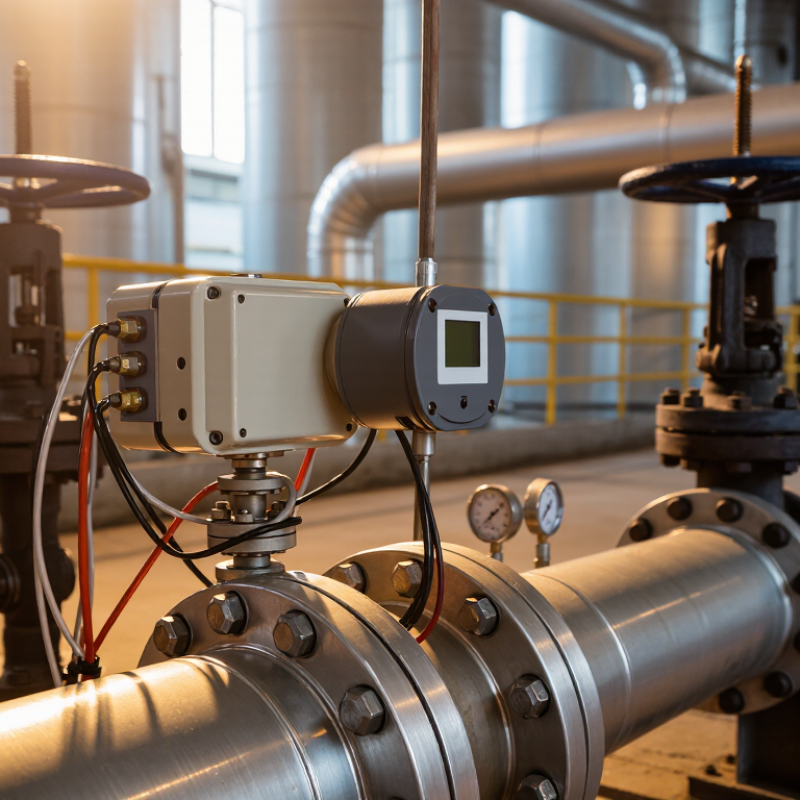
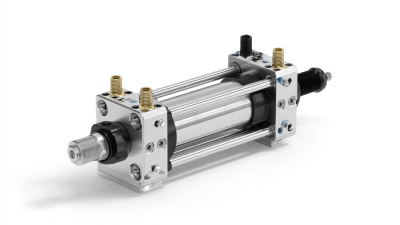
Valve positioners adjust actuator movement to match a control signal, improving accuracy and reducing process instability. The correct type depends on valve motion, air supply, hazardous-area needs, and maintenance conditions. A linear positioner suits globe valves used in steam, water, and chemical dosing lines. A rotary positioner fits butterfly or ball valves, especially in flow isolation and quarter-turn control.
Pneumatic positioners work well where instrument air is reliable and electrical equipment needs limitation. Electro-pneumatic models accept electrical signals and control air pressure, making them practical for distributed process systems. Digital positioners add diagnostics, calibration records, and feedback data. These features help technicians detect friction, air leakage, or travel errors before production suffers. Single-acting units return the valve to a safe position after air loss. Double-acting units provide stronger control for larger actuators.
Check signal compatibility, actuator torque, valve travel, response speed, enclosure protection, and communication requirements before purchase. Confirm the local air quality too. Wet air can shorten service life. In field commissioning, a positioner may appear correctly sized but still hunt because the actuator linkage is misaligned. That detail is easy to miss. Ask for calibration procedures, spare-part availability, and technical support in the destination region. A lower purchase price can become expensive when trained service is unavailable. Verify certificates and environmental ratings against the installation site, not just the quotation. Test the complete valve assembly under realistic pressure whenever possible.
A valve positioner should be selected as part of the valve-and-actuator assembly, not as an isolated instrument. Start with actuator thrust or torque, spring range, stroke, and required failure position. A positioner with insufficient output pressure may move slowly or stall near the seat. Oversizing can also create unstable movements and unnecessary air consumption. The IEC 60534 series provides the core framework for control-valve sizing, testing, and performance evaluation.
Tips: Confirm the actuator’s minimum operating pressure at the site temperature. Check positioner input range, feedback travel, enclosure rating, and response speed. Rotary valves need correct rotation and cam settings. Linear valves need accurate stem travel calibration. Small details matter.
Energy use deserves attention. The U.S. Department of Energy reports that compressed-air systems can consume 10–30% of industrial electricity in some facilities. A leaking relay, excessive boost pressure, or poorly tuned positioner can increase that burden. Select low-air-consumption equipment when process response allows it. Digital diagnostics can reveal friction, deadband, supply-pressure loss, and repeated corrections. These signals often expose valve problems before production suffers.
Field experience shows that “fastest” is not always “best.” A very aggressive response may cause overshoot, especially with large actuators or compressible fluids. Review process gain, line volume, and instrument-air quality before final tuning. ISO 8573-1 air-quality classes help define contamination limits, yet site conditions are sometimes worse than specifications. Recheck them during commissioning. Perfect matching is rare; documented testing and thoughtful adjustment remain essential.
7 Valve Positioner Buying Tips for Global Buyers
Check Control Signals, Communication Protocols, and System Compatibility
Begin with the control signal used by your plant. Most systems use 4–20 mA, but some require pneumatic input or digital control. Confirm signal range, polarity, load resistance, and whether a separate feedback signal is needed. A small mismatch can cause unstable valve movement.
Match the positioner with the actuator’s action and travel. Check whether the actuator is single-acting or double-acting, and verify spring-fail behavior. Confirm the mounting interface, shaft rotation, air supply pressure, and required flow capacity. Do not rely only on catalog dimensions. I once saw a technically suitable unit fail because the bracket geometry was overlooked.
Communication protocols deserve equal attention. Verify support for HART, fieldbus, Modbus, or another protocol already used by your control system. Ask for the device description file and integration instructions before purchasing. Test parameter access, alarms, calibration, and diagnostic data with your actual controller. Compatibility on paper may still disappoint.
Review environmental and regional requirements. Check enclosure protection, operating temperature, vibration tolerance, and area classification. Request calibration records, inspection documents, firmware details, and clear technical support contacts. Global projects often involve different languages, voltage practices, and service expectations. A local distributor may help, but independent verification remains wise. Leave room for uncertainty. Real installations are rarely as clean as drawings.
Check control signals, communication protocols, electrical limits, mounting standards, environmental protection, diagnostic functions, and system compatibility before selecting a valve positioner.
How to read the chart: The bars show the nominal signal span of commonly used analog command ranges. Current and voltage are displayed in separate datasets because their units are different. HART is commonly superimposed on a 4–20 mA loop, while PROFIBUS PA and FOUNDATION Fieldbus H1 use digital fieldbus communication. Confirm the exact protocol, wiring, power requirements, and configuration tools supported by the positioner and the host control system.
When buying a valve positioner globally, inspect the material before comparing price. Stainless-steel housings resist moisture and corrosive gases better than basic aluminum. However, stainless steel can add weight and cost. Check wetted parts, seals, fasteners, and temperature ratings separately. A material certificate should identify the alloy, test method, and traceability code. I have seen buyers inspect only the housing. That is a costly gap.
Certification is not decoration. Request evidence for IEC 60534-6-1 mounting performance, functional-safety claims under IEC 61508, and hazardous-area approval where required. Verify certificate scope, revision, testing laboratory, and permitted ambient temperature. A certificate from one region may not satisfy another authority. This detail is often missed. Keep the technical file in English, with clear drawings and test records.
Environmental performance deserves equal attention. The IEA’s Global Methane Tracker 2024 estimates that around 75% of fossil-fuel methane emissions could be reduced using existing measures. Positioners with accurate control, low air consumption, and reliable diagnostics can support that effort. Ask for power-use data, pneumatic consumption, repairability, and material declarations. ISO’s 2022 Survey recorded more than 500,000 ISO 14001 certificates worldwide, showing how widely environmental management is audited. Still, ISO 14001 certification does not prove a product is low-impact. Review the supplier’s lifecycle evidence, restricted-substance declarations, packaging data, and end-of-life plan.
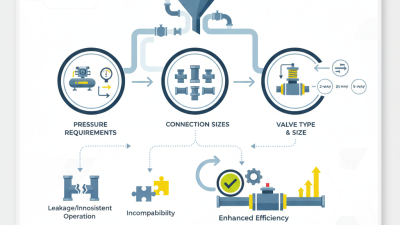
When comparing suppliers, start with verified technical evidence, not polished brochures. Request datasheets, calibration records, communication protocols, and environmental ratings. A positioner must match the valve actuator, signal range, hazardous-area requirements, and control system. Ask suppliers to explain compatibility in practical terms. Vague answers often create expensive delays.
Total cost includes more than the purchase price. Add freight, import duties, commissioning, spare parts, training, and possible production downtime. Compare these figures in one spreadsheet. Still, spreadsheets can miss local service costs. I once saw a low-priced order become expensive after repeated remote troubleshooting. That experience changed how I assess supplier reliability. Clear quotations should state delivery terms, testing procedures, warranty coverage, and replacement responsibilities.
Installation support deserves equal attention. Confirm whether the supplier provides wiring drawings, configuration files, video guidance, or trained technicians onsite. Ask how quickly engineers respond across time zones. After-sales service should include a written response target, repair turnaround, spare-part availability, and warranty conditions. Check whether support staff understand process control, not only product sales. Request references from installations with similar temperatures, pressures, and operating cycles. Short answers are not enough. A supplier may appear responsive before payment, but performance after commissioning matters more. Allow room for questions you have not considered yet.
Get in Touch
570 Alden Road Unit #10, Markham Ontario Canada, L3R 8N5
Quick Links
Featured Products
Industries