How to Select the Best Titanium Round Bar Manufacturer?
Selecting the best manufacturer for Titanium Round Bar requires careful consideration. The choice impacts quality and performance in various applications. A reliable manufacturer not only offers high-grade materials but also showcases their expertise in production techniques.
Evaluating a Titanium Round Bar manufacturer involves examining their experience and authority in the industry. A company with a long track record may have the expertise needed to meet your requirements. However, it is essential to investigate if they consistently adhere to quality standards. Not all manufacturers are created equal. Some may cut corners, compromising product integrity.
In this marketplace, transparency is crucial. It's essential to evaluate their certifications and customer reviews. A trustworthy manufacturer should be open about their processes and materials. Keep in mind that not every reputable-looking company provides the same level of reliability. Researching several options is vital to ensure the selection aligns with your specific needs.
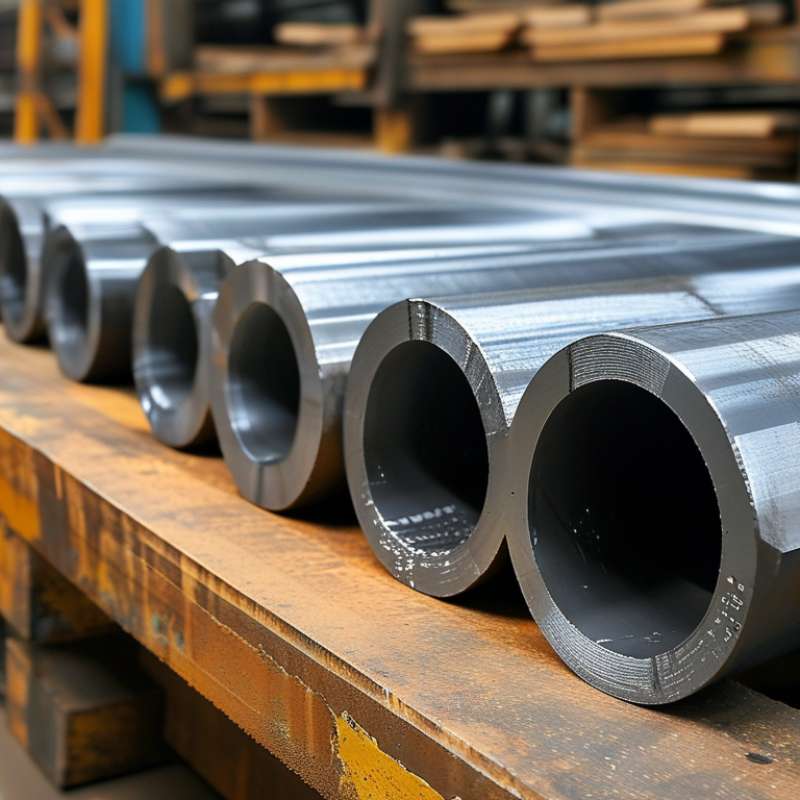
Understanding Titanium Round Bars: Properties and Applications
Titanium round bars are widely used in various industries due to their exceptional properties. Titanium is lightweight, has high strength, and excellent corrosion resistance. According to a report by Grand View Research, the global titanium market was valued at over $4 billion in 2020, with a significant portion stemming from aerospace and medical applications. These bars are often employed in the aerospace sector for their ability to withstand extreme temperatures and stresses.
When selecting a titanium round bar, consider the grade of titanium. Common grades include Grade 2, which offers a good balance of strength and ductility, and Grade 5, known for its superior mechanical properties. Each application may require a specific grade to optimize performance and safety. The ASTM (American Society for Testing and Materials) provides guidelines for the properties of titanium, ensuring consistency across manufacturers.
Choosing the right manufacturer is crucial. Look for companies with ISO certifications that indicate quality management systems. Ensure they have a proven track record in supplying titanium products to reputable industries. Transparency in their sourcing and production processes can also indicate trustworthiness.
Attention to detail is crucial when purchasing titanium round bars. Verify that the materials meet industry standards and specifications. Discuss your requirements with potential suppliers to evaluate their expertise. It’s important to not rush this decision; thorough research will yield better long-term results.
Key Factors in Selecting a Titanium Round Bar Manufacturer
Selecting the right titanium round bar manufacturer involves key factors that can greatly impact your project. Start by evaluating the manufacturer's experience in the titanium industry. A company with years of experience often has developed reliable processes and a deep understanding of material properties. Look for certifications as they demonstrate the manufacturer adheres to industry standards.
Quality control is another crucial aspect. It’s important to inquire about their production methods and testing procedures. A reputable manufacturer will provide details about their quality assurance processes. Ask for test results or certifications for the titanium used. Transparency in these areas reveals their commitment to high-grade materials.
Consider the manufacturer's customer service and technical support, too. A supportive team is essential for addressing any concerns that may arise during production. Some manufacturers may be great at producing materials but fall short in communication. Research customer reviews to get a sense of their reliability. It's critical to balance quality and service for a successful long-term relationship.
Evaluating Manufacturer’s Certifications and Industry Standards
When selecting a titanium round bar manufacturer, evaluating certifications and industry standards is crucial. The titanium industry must comply with various standards, like ASTM and ISO. These certifications ensure a manufacturer meets safety, quality, and consistency in production. According to a recent market analysis by Grand View Research, the global titanium market was valued at approximately $4.25 billion in 2021 and is projected to grow at a CAGR of 6.3% from 2022 to 2030. Choosing a manufacturer compliant with these standards can greatly impact material performance.
Vendors that comply with certifications like AS9100 or ISO 13485 demonstrate their commitment to quality management systems. This is particularly important in industries like aerospace and medical. An article from the Journal of Materials Engineering highlights that titanium alloys with proper certifications exhibit better fatigue resistance and are less prone to failure. These qualities are vital when choosing materials for components in high-stress applications.
However, not all manufacturers achieve equal quality. Some may have the right certifications but lack practical experience. Therefore, verifying their track record and customer references is essential. Engaging with manufacturers on their production processes can reveal insights that certifications alone may not provide. Evaluating the synergy between certifications and real-world application can lead to more informed decisions.
Assessing Quality Control Measures in Titanium Production
When selecting a titanium round bar manufacturer, assessing their quality control measures is crucial. Quality control significantly impacts product reliability. Studies show that up to 70% of titanium-related failures can be traced back to inadequate production processes. Therefore, manufacturers must implement stringent quality checks at every production stage.
An effective quality control system involves multiple testing methods. These include mechanical testing, chemical composition analysis, and non-destructive testing procedures. Reports indicate that compliance with ASTM standards is vital. Manufacturers must consistently perform tests like tensile strength and fatigue resistance to ensure reliability. A manufacturer that openly shares their testing procedures and results demonstrates transparency.
Moreover, it is essential to evaluate the manufacturer's certifications. ISO 9001 and NADCAP certifications reflect a commitment to quality. However, not all manufacturers achieve these standards. Some may show weaknesses in their processes and documentation. Reflecting on their quality assurance methods can reveal areas for improvement. This scrutiny ensures that you partner with a manufacturer committed to producing high-quality titanium products.
Comparing Cost-Effectiveness and Lead Times Among Suppliers
When selecting a titanium round bar manufacturer, cost-effectiveness and lead times are crucial. Many suppliers vary in pricing, often reflecting differences in material quality and production efficiency. Understanding the relationship between cost and quality is vital. Cheaper options may lead to inferior products, impacting project integrity. This is especially critical in industries demanding high reliability.
Lead times can significantly affect schedules. A supplier promising quick delivery may increase cost. However, delays in receiving materials could lead to higher overall project expenses. It's essential to ask potential manufacturers about their production capabilities and timeline. Compare these against your own project requirements. Reflect on how delays or speed can influence your budget.
Not every reputable supplier can meet every timeline requirement without sacrificing quality. Research their track record on delivery reliability. Seek reviews or testimonials from previous customers. This information can provide insights into their operational reliability. Being cautious can save both time and money. Strive for a balance between cost, quality, and lead time for optimal outcomes.