What is a Miniature Circuit Breaker and How Does It Work?
A Miniature Circuit Breaker (MCB) is a crucial component in modern electrical systems. It safeguards circuits from overloads and short circuits. According to industry reports, the global MCB market is expected to witness significant growth, projected to reach USD 3.5 billion by 2026. This surge reflects an increasing demand for safety solutions in residential and commercial sectors.
MCBs operate by automatically disconnecting electrical circuits when they detect faults. This action helps prevent potential fire hazards and equipment damage. However, while MCBs are effective, they are not infallible. Some users may overlook proper installation or routine maintenance. Such lapses can lead to malfunction. It is essential to follow guidelines to ensure optimal performance.
In a world heavily reliant on electricity, understanding the role of a Miniature Circuit Breaker is vital. Investing in quality MCBs is important, but awareness and education on their function are equally important. The effectiveness of any electrical protective device hinges on informed usage. Failure to recognize this can result in serious consequences.
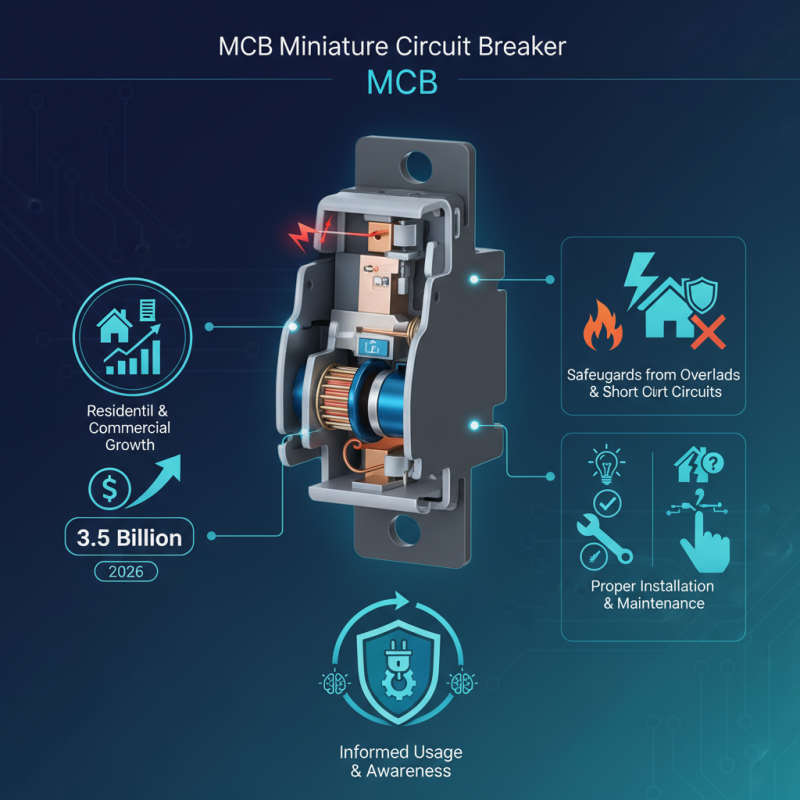
What is a Miniature Circuit Breaker (MCB)?
A Miniature Circuit Breaker (MCB) is an essential component in electrical systems. It automatically protects electrical circuits from overload and short circuits. When a fault occurs, the MCB interrupts the flow of electricity. This action helps prevent potential damage to appliances and wiring.
MCBs are compact yet effective. They come in various ratings, typically designed for specific current levels. Their design allows for quick reset after a trip. This feature can be advantageous, but it might also lead to confusion during troubleshooting. Users sometimes reset an MCB without addressing the underlying issue. That's a key point to reflect on—relying solely on the reset function may overlook deeper problems.
Understanding how MCBs operate can enhance safety in any electrical setup. They work by sensing excess current through bi-metallic strips or electromagnetic mechanisms. However, not all MCBs react the same way. Different types have different trip characteristics, which might confuse those unfamiliar with them. It’s crucial to consider these differences when selecting an MCB for a specific application. The right choice can make a significant difference in safety and reliability.
Key Components of a Miniature Circuit Breaker
Miniature Circuit Breakers (MCBs) are essential in modern electrical systems. They protect circuits from overloads and short circuits. The key components of an MCB include the bimetallic strip, electromagnetic coil, and the operating mechanism. Each part plays a critical role in the breaker’s function and effectiveness.
The bimetallic strip reacts to the heat generated by excess current. When the current exceeds a certain limit, it bends and opens the circuit. This mechanism is notable for its quick response. On average, MCBs can react in less than 100 milliseconds to prevent damage. The electromagnetic coil works together with the bimetallic strip. It provides an instantaneous response for short circuits, further ensuring safety.
Another crucial element is the trip mechanism. It allows MCBs to reset easily once the fault is cleared. More than 35% of electrical fires are caused by faulty circuit protection, highlighting the importance of effective design. While these components seem reliable, occasional malfunctions can occur. Regular testing and maintenance can decrease the risk of failures. Understanding these components underscores the significance of MCBs in safeguarding electrical circuits in residential and industrial applications.
What is a Miniature Circuit Breaker and How Does It Work? - Key Components of a Miniature Circuit Breaker
| Component | Function | Specifications | Common Ratings |
| Operating Mechanism | Detects overloads and short circuits | Electromechanical, thermal, or magnetic | 6A, 10A, 16A, 20A |
| Toggle Switch | Manually turns the circuit on or off | Durable plastic or metal | N/A |
| Current Rating | Specifies maximum load current | Varies by model, typically 6A to 63A | 6A, 10A, 16A, 20A, 32A, 40A, 63A |
| Trip Unit | Detects fault conditions | Thermal or magnetic trip settings | Type B (3-5x), Type C (5-10x) |
| Enclosure | Protects internal components | Polycarbonate or metal | IP ratings (e.g., IP20, IP54) |
How Miniature Circuit Breakers Function
A miniature circuit breaker (MCB) is a crucial safety device. It protects electrical circuits from overloads and short circuits. When too much current flows, the MCB automatically cuts off the power. This action prevents potential damage to wiring and connected appliances.
MCBs work through a bimetallic strip or electromagnetic mechanism. When excessive current flows, the strip heats up and bends. This bending action breaks the circuit, stopping the flow of electricity. Alternatively, an electromagnetic mechanism can quickly trip the breaker during a short circuit. Both methods ensure rapid response to electrical faults.
Tip: Regularly check your MCB for functionality. A simple test can confirm if it trips correctly under overload conditions.
It’s important to choose the right MCB for your needs. Each device has a specific rating. Using one that’s too high can lead to risks. Inadequate protection is a concern. An MCB must match your electrical system to work effectively.
Tip: Consult an electrician if unsure about the specifications. Proper installation is vital for safety. Regular maintenance also enhances reliability.
Types of Miniature Circuit Breakers and Their Applications
Miniature Circuit Breakers (MCBs) come in different types, designed for various applications. One common type is the Type B breaker. It tripped at lower current levels, ideal for residential circuits. These are often used in homes to protect lighting and general outlets. They offer effective protection against overcurrent but may be too sensitive for some appliances.
Another popular type is the Type C breaker. This variant is suited for commercial environments. It can handle moderate inrush currents, making it great for motors and transformers. These MCBs are often used in industrial applications as well. However, they can sometimes trip under conditions that are normal for specific machinery. This presents a challenge when trying to maintain continuous operation.
Lastly, there are Type D breakers, which are designed for heavy-duty applications. They provide high inrush current tolerance. Industrial and commercial systems often use them. However, their failure to trip under certain conditions can lead to potential hazards. It's crucial to choose the right type based on specific needs. Understanding the limitations of each type is essential for safe and effective usage.
Benefits of Using Miniature Circuit Breakers in Electrical Systems
Miniature Circuit Breakers (MCBs) are essential components in modern electrical systems. They not only protect against overloads but also provide rapid disconnection in fault conditions. According to a recent industry report by the International Electrotechnical Commission, about 70% of electrical failures can be traced back to overcurrent situations. By incorporating MCBs, users can significantly reduce the risk of fire and equipment damage caused by these failures.
The advantages of using MCBs are substantial. For example, MCBs are highly sensitive, often rated to trip within 0.1 seconds to prevent damage. This quick action is vital in residential and commercial settings. Furthermore, MCBs are easier to reset compared to traditional fuses. A study by the National Fire Protection Association indicated that MCBs could lead to a 30% reduction in electrical fire incidents. Their compact design and reliability also save valuable space in control panels.
However, there are challenges as well. Not all MCBs are suited for every application. Selecting the wrong type can leave systems vulnerable. Additionally, installation without proper knowledge may lead to failures. Ongoing training and education are critical for electricians. They must understand the specific requirements of MCBs to ensure optimal performance. Awareness of these issues can lead to a more efficient use of MCBs in various electrical environments.