What Are Glass Roof Patio Covers and Are They Worth It?

Glass Roof Patio Covers can turn an ordinary patio into a bright, sheltered outdoor room. Sunlight falls through the roof, rain taps above the seating area, and the garden remains visible in changing weather. Yet the effect is not automatically comfortable. Glazing can create glare, heat buildup, and difficult cleaning needs.

Building-envelope consultant Mark Meshulam offers a useful reminder: “Glass is only one part of the roof system; the details decide whether it performs well.” That point matters. A successful design depends on glass selection, roof pitch, drainage, ventilation, shading, and structural support. Low-e glass may reduce solar heat, while laminated glass can improve safety and sound control. Frames and seals also deserve attention. Small failures there can become expensive leaks.

The answer depends on your site.

A glass cover may be worthwhile when daylight, views, and year-round use matter more than the lowest initial price. It may disappoint when the patio faces intense afternoon sun or lacks airflow. I have seen attractive designs become uncomfortably hot because shading was treated as an afterthought. That is an easy mistake to make.

Before choosing, consider local climate, maintenance access, furniture protection, privacy, and nighttime lighting. Ask contractors for product specifications, drainage details, warranty terms, and references from completed projects. Compare fixed panels with operable sections, and inspect how each option handles condensation. Glass Roof Patio Covers are not simply decorative additions. They are small building systems, and their value depends on careful design rather than appearance alone.
What Are Glass Roof Patio Covers and Are They Worth It?

Definition and Basic Structure of Glass Roof Patio Covers

What Are Glass Roof Patio Covers and Are They Worth It?

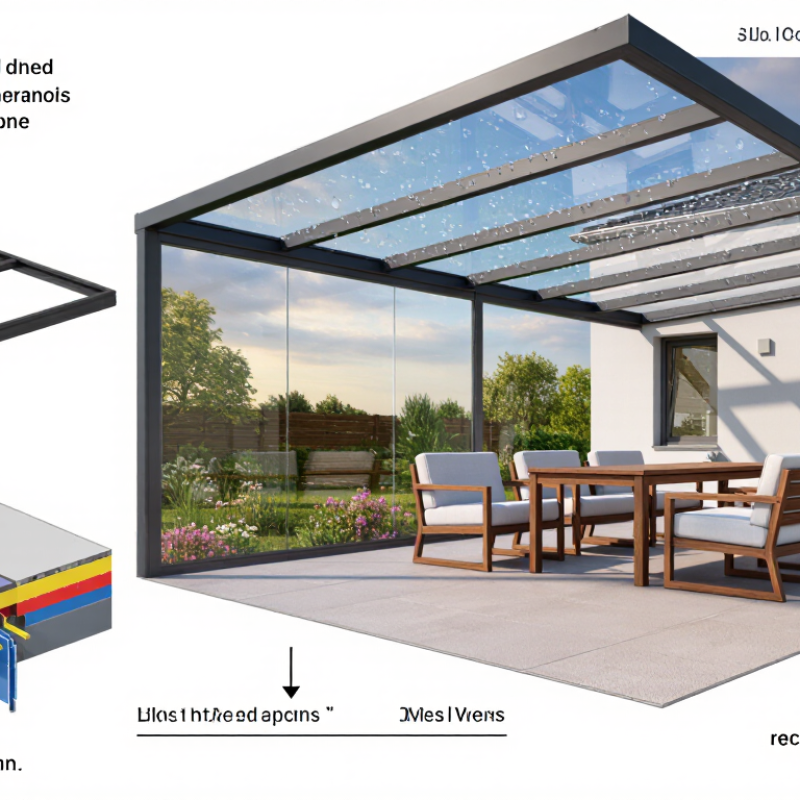
A glass roof patio cover is a fixed outdoor shelter with transparent or translucent roof panels. Its basic structure usually includes supporting posts, perimeter beams, rafters, glazing bars, flashing, and drainage gutters. The panels may use laminated or tempered safety glass. These materials reduce injury risks if breakage occurs, but they do not make the roof indestructible.

Roof pitch matters. Even a shallow slope helps rainwater move toward gutters instead of pooling above the patio. Sealed joints limit leaks, while ventilation gaps can reduce trapped heat beneath the glass. In practical inspections, the weakest points are often flashing and fasteners, not the glass itself. That detail is easy to miss.

Energy performance deserves careful attention. The U.S. Department of Energy reports that windows can represent 25% to 30% of residential heating and cooling energy use. A glass patio roof is not a wall window, but the same solar-gain problem applies. Low-emissivity glazing, external shading, and suitable solar heat gain control can improve comfort. The National Fenestration Rating Council evaluates products through U-factor and solar heat gain coefficient ratings. Ask for these figures before choosing materials. Clear glass may create bright shade, yet still produce greenhouse-like heat at noon. That trade-off is real. A cooling design may need opaque panels, adjustable shades, or cross-ventilation. Local wind, snow, drainage, and structural requirements also need professional review. A visually light cover can place considerable loads on its connections.

How Glass Roof Patio Covers Work in Outdoor Spaces

Glass roof patio covers use transparent or lightly tinted panels to shelter an outdoor area while preserving daylight and garden views.

The panels usually rest on aluminum or steel framing, with gaskets sealing each joint against rain. A slight roof pitch guides water into gutters and downspouts rather than allowing puddles to form overhead.

Good drainage matters more than appearance.

In practice, laminated or tempered glass improves safety, but it does not make the structure indestructible. Panel thickness, support spacing, wind exposure, and snow loads should be checked by a qualified installer. The frame also needs secure anchoring to the wall or independent posts.

Local building requirements may affect permits, setbacks, and drainage details. These technical choices shape how well the cover performs through changing seasons.

Glass can make a patio feel open during cloudy mornings, yet summer sunlight may create uncomfortable heat. Low-emissivity coatings, shade screens, roof vents, or adjustable blinds can reduce glare and indoor-style heat buildup.

The space still needs regular cleaning because dust, pollen, and bird deposits show clearly overhead. I have found that “low maintenance” is an imperfect description.

Seals can age, gutters can clog, and small leaks may appear after severe weather. A yearly inspection of fasteners, seals, drainage paths, and glass edges helps catch problems before they become expensive.

A glass roof works best when its design balances light, ventilation, structure, and everyday upkeep.

Main Types of Glass Used for Patio Cover Construction

Glass roof patio covers use transparent panels to bring daylight into an outdoor living area. The glass choice affects safety, heat, noise, glare, and maintenance. A roof is not just a window placed overhead.

Tempered glass is widely used for patio covers. It is heat-treated and stronger than ordinary glass. If it breaks, it usually forms small, blunt pieces. This reduces serious cutting risks, although it does not make the roof unbreakable. Tempered panels suit sunny spaces, but they can still become hot beneath direct summer sunlight.

Laminated glass contains a clear interlayer between two glass sheets. When damaged, the fragments generally remain attached to that layer. This feature offers useful overhead protection and can reduce outside noise. Double-glazed insulated units use two panes with a sealed gap between them. They limit heat transfer better than single panels, but they weigh more and require careful frame design. Failed seals may create cloudy areas that need replacement.

Low-emissivity coatings can be added to some glass types. They help control indoor heat and ultraviolet exposure, but they may slightly change the daylight appearance. The best selection depends on roof size, climate, pitch, drainage, and structural support. A professional should check wind loads, water runoff, and local building requirements before installation. I would not choose glass from appearance alone. That mistake can produce glare, leaks, or an expensive frame upgrade later.

What Are Glass Roof Patio Covers? Main Types of Glass Used

A glass patio cover can use tempered, laminated, or insulated low-e glass. The chart compares representative solar heat gain coefficient (SHGC) values: lower values generally mean less solar heat enters the patio area.

Typical values shown: clear tempered glass ≈ 0.78, clear laminated glass ≈ 0.72, and double-pane low-e insulated glass ≈ 0.35. Actual performance varies with glass thickness, tint, coating, air space, frame design, and climate.

Benefits and Limitations of Glass Roof Patio Covers

What Are Glass Roof Patio Covers and Are They Worth It?

Glass roof patio covers use safety-rated glass panels above an outdoor living area. They admit daylight while blocking rain, leaves, and some wind. The patio can feel brighter and more connected to the garden. Clear panels also preserve views that solid roofing would hide.

The limitations deserve equal attention. Glass can increase heat and glare during summer afternoons. Without shading, furniture and flooring may fade. Rain can sound surprisingly loud. Cleaning also takes time, especially beneath trees or near coastal air. A glass roof needs strong framing, careful drainage, and proper structural support. Installation usually costs more than a basic solid cover. In practical planning, orientation matters. A west-facing roof may become uncomfortable. That mistake is easy to underestimate.

Tips: Choose laminated or tempered safety glass designed for overhead use. Ask a qualified installer to check local permits, roof loads, drainage, and wind exposure. Add adjustable shades or screened panels before construction begins. Inspect seals and gutters each season. Keep a safe cleaning method for slippery surfaces. Consider privacy too; clear glass may expose the patio to nearby windows. I would not assume more daylight always means more comfort. A smaller glazed section may work better than a fully transparent roof.

What Are Glass Roof Patio Covers and Are They Worth It? - Benefits and Limitations of Glass Roof Patio Covers

Practical comparison of glass roof patio covers, solid opaque roofs, and open pergolas
Evaluation Dimension Glass Roof Patio Cover Solid Opaque Patio Roof Open Pergola
Basic Definition A patio cover with roof panels made from transparent or translucent glass, supported by a structural frame. A roof using relatively opaque materials, such as insulated panels, metal, wood, or other solid construction. An open-sided structure with spaced or slatted beams that provides partial shade without a continuous roof.
Natural Daylight Excellent. Clear glass can admit most visible daylight, while tinted, coated, or translucent glass reduces glare and brightness. Low to moderate, depending on skylights, roof openings, and reflective interior surfaces. Moderate and variable; daylight depends on beam spacing, roof orientation, and the sun’s position.
Rain Protection High when the panels are properly sloped, sealed, flashed, and connected to an effective gutter and drainage system. Generally high because the continuous roof creates a reliable weather barrier when correctly designed and installed. Low. Rain can enter through the open spaces between the beams.
Solar Heat Control Variable. Low-emissivity, solar-control, tinted, or laminated glazing can reduce heat and ultraviolet transmission, but unshaded glass may still create strong solar gain. Usually strong, especially with an insulated roof and a properly sized overhang. Variable. It may provide useful shade, but low-angle sunlight can pass through easily.
Glare and Privacy Potentially high glare and limited overhead privacy with clear glass. Frosted, patterned, tinted, or shaded glazing can improve comfort and privacy. Usually provides the strongest overhead privacy and the least direct glare. Provides limited privacy because the structure is open above and around the sides.
Maintenance Needs Moderate to high. Glass needs periodic cleaning, and seals, joints, gutters, and drainage paths should be inspected for leaks or debris. Moderate. Maintenance depends on the roof finish, drainage details, exposed fasteners, and local weather conditions. Low to moderate, although wood versions may require recurring sealing, staining, or painting.
Cleaning Frequency Often several times per year, depending on dust, pollen, tree cover, bird activity, and rainfall. Usually less visually demanding because dirt is less noticeable from below, although gutters still require cleaning. Generally limited to removing leaves and maintaining the supporting structure.
Weather and Impact Considerations Must be specified for local wind, snow, hail, and temperature conditions. Laminated or safety-rated glazing can help reduce injury risk if breakage occurs. Performance varies by material and construction. Structural design must still account for wind, snow, rain, and uplift loads. Offers limited protection from severe weather because the sides and roof are substantially open.
Noise During Rain Rainfall can sound louder on glass than on some insulated opaque roofs, although laminated or multilayer systems may reduce transmitted sound. Often quieter when insulation and adequate roof mass are used. No continuous roof surface, so the acoustic experience is mainly influenced by surrounding surfaces and rain on the ground.
Visual Effect Creates an open, bright appearance and can preserve views of the sky and surrounding landscape. Creates a more enclosed architectural appearance and may make the patio feel darker. Provides a light, open structure but does not create a fully sheltered outdoor room.
Installation Complexity High. Accurate framing, drainage, flashing, glazing support, expansion allowances, and water-tight detailing are important. Moderate to high, depending on span, insulation, roofing material, and attachment to the building. Usually simpler, especially for small freestanding structures, but footings and anchorage remain important.
Relative Upfront Cost Typically high because safety glazing, structural framing, drainage, flashing, and specialized installation add cost. Moderate to high, depending on the roof system, structural span, insulation, and finishes. Often the lowest-cost option when the design is simple and the structure is small.
Best Use Case Homeowners who prioritize daylight, outdoor views, and rain protection and are willing to manage glare, heat, cleaning, and higher installation complexity. People who prioritize shade, thermal comfort, privacy, and dependable weather protection. People seeking partial shade, an open-air feel, and a relatively simple outdoor structure.
Overall Value Assessment Worth considering when daylight and appearance are more important than the lowest cost and minimum maintenance. It is less suitable for very hot climates without solar-control glazing, shading, or ventilation. Often the more practical choice when year-round shade, cooling, privacy, and weather protection are the main priorities. A strong value for seasonal shade and visual openness, but not a replacement for a fully weatherproof patio cover.

Note: Actual performance depends on glazing type, roof orientation, shading design, structural engineering, local climate, drainage, installation quality, and applicable building codes.

Key Factors for Choosing and Maintaining a Glass Patio Cover

A glass roof patio cover extends outdoor use, but its value depends on climate, orientation, and installation quality. The U.S. Department of Energy’s Energy Saver guidance estimates windows cause 25–30% of residential heating and cooling energy use. A roof is not a wall window, yet this statistic shows why uncontrolled solar gain matters. Specify low-e, solar-control glazing with tested U-factor and SHGC values. Ask for NFRC-rated performance data, not vague claims. Start there.

Have a structural professional verify dead load, wind uplift, snow load, drainage, and attachment points. Laminated or tempered safety glass is prudent, especially above seating and walkways. Confirm the frame directs water away from walls. A shallow slope can still expose poor flashing. ASHRAE Handbook guidance supports evaluating solar orientation and shading before selecting glazing. In practice, west-facing roofs often need external shade. I learned that late-afternoon glare can defeat an otherwise comfortable design.

Maintenance is modest, not zero. Inspect seals, gaskets, fasteners, and gutters at least twice yearly, plus after severe weather. Remove leaves before they stain drainage channels. Use clean water, mild soap, and a soft brush. Abrasive pads can scratch coatings. NFRC rating procedures distinguish tested performance from real-world installation, so poor upkeep still matters. I would budget for professional inspection every few years. That costs less than discovering hidden corrosion after a leak.

Scroll to Top