Why Choosing the Right Pneumatic Cylinder is Essential for Your Projects?
Choosing the right pneumatic cylinder can greatly impact your project's success. These devices play a crucial role in automation and machinery. A pneumatic cylinder converts compressed air into mechanical energy. Therefore, understanding their specifications is vital.
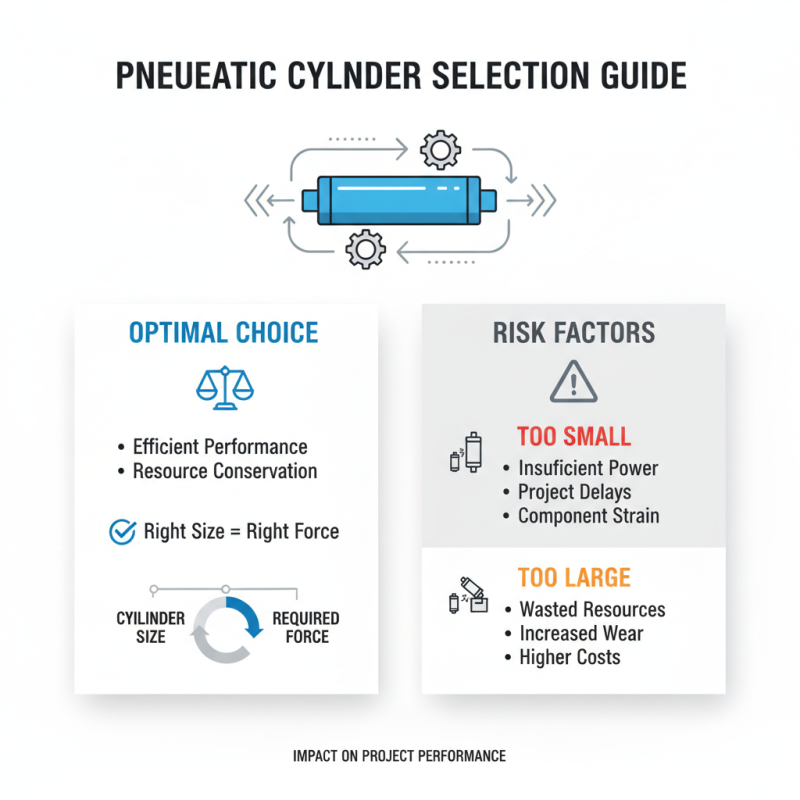
Selecting the wrong cylinder might lead to inefficient performance. It could cause delays in production or unexpected costs. Different projects require different force outputs and stroke lengths. A mismatched pneumatic cylinder may not fit your needs. It's essential to consider the application environment too. Temperature, humidity, and other factors affect performance.
Investing time in research pays off. Gather data on various models and their specifications. Utilize resources available online or consult with experts. Inadequacies in selection may lead to frustration down the line. Reflecting on past choices can improve future decisions. Make the right choice to ensure smooth operations and reliability.
Understanding Pneumatic Cylinders and Their Applications
Pneumatic cylinders are crucial components in various industries. They convert compressed air into mechanical energy. This energy helps move loads or perform tasks in automation. Understanding different types of pneumatic cylinders can enhance project efficiency.
When selecting a pneumatic cylinder, consider the application. Some cylinders are best for high-speed tasks, while others excel in heavy lifting. The working pressure and stroke length are also important factors. Choosing the wrong specifications may lead to inefficiency. This can even result in safety hazards.
**Tip:** Always check the environment in which the cylinder will operate. Factors like temperature and potential exposure to harmful substances can affect performance.
Another aspect is choosing the right mountings. The mounting style should align with the machine’s design. A mismatch can cause misalignment or damage to components.
**Tip:** Regular maintenance is vital. Inspecting the cylinders prevents unexpected failures and prolongs their lifespan. Small issues ignored can lead to significant problems later.
Why Choosing the Right Pneumatic Cylinder is Essential for Your Projects?
| Cylinder Type |
Bore Size (mm) |
Stroke Length (mm) |
Operating Pressure (bar) |
Material |
Application |
| Double Acting Cylinder |
32 |
200 |
8 |
Aluminum |
Assembly Line Automation |
| Rodless Cylinder |
20 |
300 |
6 |
Stainless Steel |
Food Processing |
| Compact Cylinder |
16 |
100 |
10 |
Anodized Aluminum |
Robotics |
| Mini Cylinder |
10 |
50 |
4 |
Plastic Composite |
Medical Equipment |
| Threaded Cylinder |
25 |
150 |
7 |
Steel |
Automotive Assembly |
Key Factors to Consider When Selecting a Pneumatic Cylinder
Choosing the right pneumatic cylinder is crucial for various industrial projects. Several factors influence this decision. One key factor is the cylinder’s bore size. A larger bore can provide more force, but may not fit in tight spaces. This can lead to complications in design. You need to balance space and power.
Consider the stroke length next. Shorter strokes are often easier to manage in limited spaces. However, a longer stroke can offer more flexibility in movement. Evaluate the requirements of your specific application. Environmental conditions also play a significant role. Cylinders exposed to dust or moisture may need special features.
Don’t overlook the mounting style either. Different projects require different mounting options. Choosing the wrong type can complicate installation. Ensure that the mounting style aligns with your project’s needs. Reflecting on these factors helps prevent costly mistakes. It encourages careful planning and thoughtful decision-making.
Types of Pneumatic Cylinders and Their Characteristics
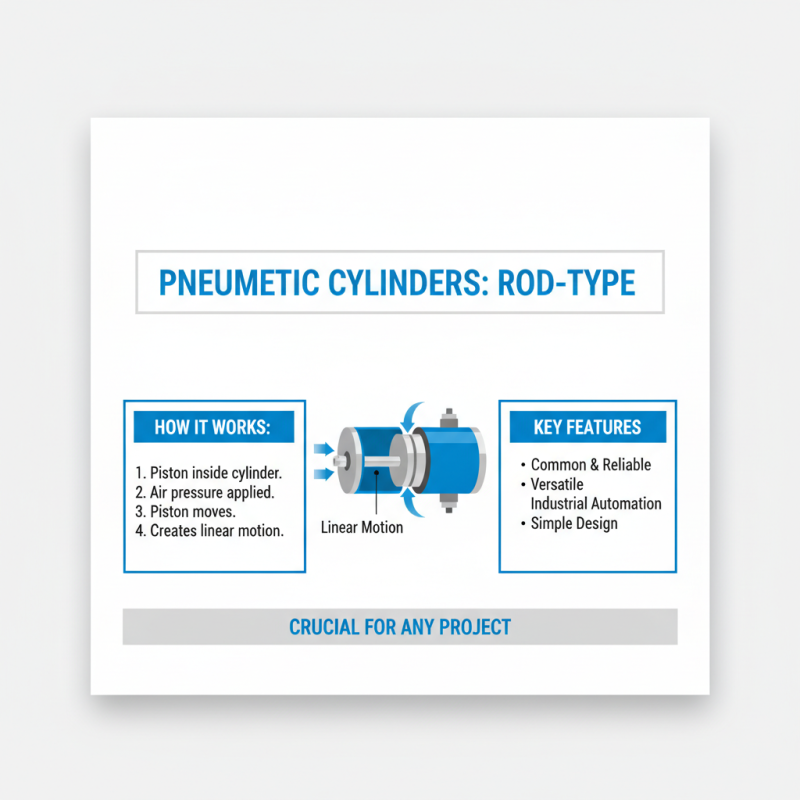
Choosing the right pneumatic cylinder is crucial for any project. There are several types of pneumatic cylinders, each serving a unique purpose. Rod-type cylinders are common. They use a piston inside a cylindrical tube. When air pressure is applied, the piston moves, creating linear motion. This type is reliable and widely used in automation.
Another type is the diaphragm cylinder. These cylinders use a flexible diaphragm that acts as a piston. They are ideal for applications needing gentle handling. The soft movement reduces the risk of damaging sensitive components. However, they may not produce as much force as rod-type cylinders.
For specialized needs, there are rotary pneumatic cylinders. They convert compressed air into rotational motion. These cylinders are commonly used in clamps or actuation devices. While versatile, they can be complex to install and may require more maintenance. Selecting the right type requires careful consideration of your project requirements. It's important to weigh the advantages and limitations of each type for optimal results.
Common Mistakes to Avoid When Choosing Pneumatic Cylinders
When selecting pneumatic cylinders, avoiding common mistakes is crucial. Many overlook design specifications. It's essential to match the cylinder’s bore size with application needs. A mismatch can lead to inefficiency or failure. According to a recent industry report, improperly sized cylinders account for over 30% of pneumatic system failures.
Another frequent error is neglecting operating conditions. Factors such as temperature, humidity, and potential exposure to chemicals can affect performance. A cylinder that works well in one environment might fail in another. Always consider these factors before making a choice.
**Tip:** Conduct thorough testing before final implementation. Small adjustments can prevent significant issues later.
Maintenance is often underestimated. Failing to inspect and maintain cylinders can lead to operational problems. Regular checks can enhance longevity and reliability. According to industry studies, proactive maintenance can reduce breakdowns by up to 50%.
**Tip:** Schedule routine maintenance checks. This ensures everything runs smoothly and identifies potential problems early on.
Choosing the right pneumatic cylinder requires careful consideration. Avoiding these mistakes can lead to more successful projects and improved performance overall.
Why Choosing the Right Pneumatic Cylinder is Essential for Your Projects
This bar chart illustrates the common mistakes made in selecting pneumatic cylinders based on various project requirements. Understanding these factors can significantly enhance the efficiency and effectiveness of your projects.