China Top Food Sealer Machine Suppliers for Global Buyers

Food packaging is becoming more demanding, measurable, and competitive. Global buyers now expect better sealing performance, lower material waste, and dependable after-sales support. A modern Food Sealer Machine must protect products while fitting real production conditions.

Industry data explains this pressure. Grand View Research estimates that the global food packaging market reached approximately USD 562 billion in 2023. Its report also forecasts continued growth through 2030, supported by processed foods, convenience products, and changing retail habits. Smithers similarly identifies packaging automation, flexible films, and sustainability as major forces shaping future investment. These trends are influencing how manufacturers evaluate Chinese equipment suppliers.

China has developed a broad manufacturing base for continuous band sealers, vacuum sealers, tray sealers, and industrial packaging lines. Many factories now combine stainless-steel construction, temperature control, conveyor integration, and digital monitoring. Some suppliers also provide customized sealing jaws for bags, pouches, and multilayer films. The details matter. A stable seal temperature can reduce rejected packs during a long shift. Easier cleaning can also save valuable production time.

Still, supplier selection should not depend on price alone. A low quotation may conceal weak testing, limited spare parts, or unclear warranty terms. That risk is easy to underestimate. Buyers should review factory experience, technical certifications, sample results, sealing speed, power requirements, and documented quality procedures. This article examines China’s leading Food Sealer Machine suppliers from a global purchasing perspective, using practical criteria rather than promotional claims. The market is promising, but not perfectly uniform. Careful verification remains essential.
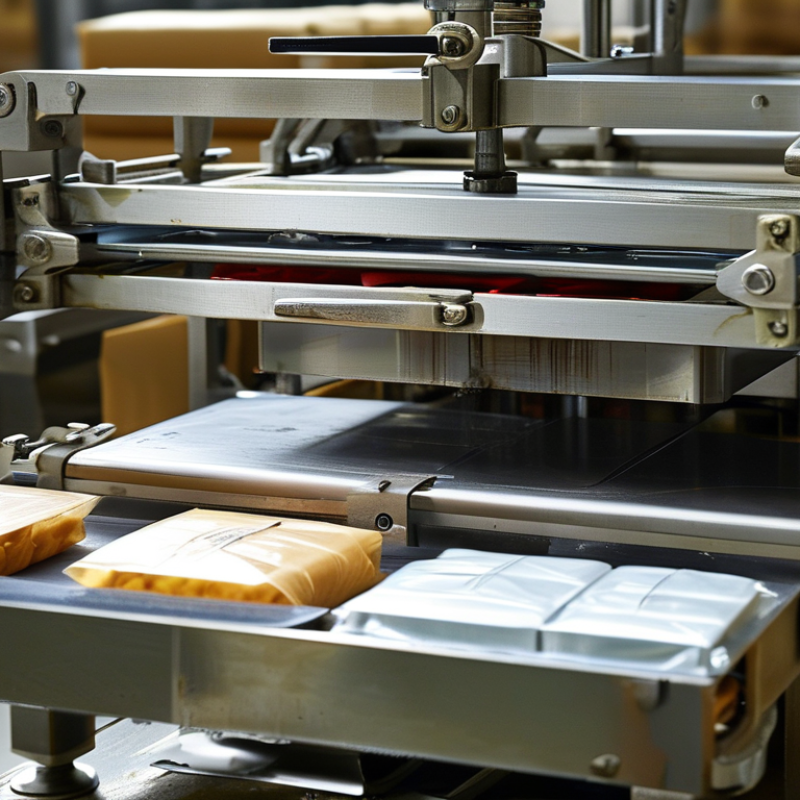
China Top Food Sealer Machine Suppliers for Global Buyers

What Food Sealer Machines Are and How They Work

A food sealer machine closes bags, trays, or pouches by joining packaging layers. It protects food from moisture, oxygen, dust, and handling damage. Common systems include impulse sealers, constant-heat sealers, vacuum sealers, and modified-atmosphere packaging machines. Each type serves a different product and film structure.

Most machines use heat, pressure, and controlled dwell time. Heated jaws soften the inner sealing layer, then pressure forms a continuous bond. Vacuum models remove air before sealing. MAP systems replace internal air with a selected gas mixture. Small changes matter. A wrinkled pouch can create a hidden leak. The seal may look perfect.

PMMI reported North American packaging machinery shipments of about US$10.2 billion in 2023. This figure reflects continued investment in automated packaging equipment. Grand View Research also identifies food packaging as a major application area within the global packaging machinery market. For global buyers comparing China-based suppliers, machine trials should use the actual product, film, and filling weight. Check seal strength, leakage rates, cycle speed, temperature stability, and cleaning access. ASTM F88 seal-strength testing and ASTM F2096 bubble testing can support reliable verification. Energy use deserves attention too. A faster machine is not always the better machine. Many purchasing decisions overlook changeover time, operator training, and spare-part availability. That is where early confidence can become an expensive mistake.

Main Types of Food Sealer Machines for Global Applications

Main Types of Food Sealer Machines for Global Applications

Food sealer machines differ by package format, film structure, speed, and hygiene needs. Impulse sealers suit small batches and laminated pouches. They heat the film only when the jaws close. This reduces energy use, but operators must control pressure and dwell time. A weak seal may look acceptable and fail during transport.

In packaging trials, I check seal width, peel strength, and leakage after cooling. Simple equipment still needs disciplined settings.

Continuous band sealers support higher output for powders, snacks, grains, and frozen foods. They can print production dates while sealing. Adjustable temperature and conveyor speed help manage different films.

Vacuum sealers remove air before closing the pouch. They work well for meat, seafood, cheese, and prepared meals. However, excessive vacuum can crush delicate products. It is not always better.

Moisture may also enter the pump without proper filtration and maintenance.

Tray sealers close preformed containers with lidding film. They suit ready meals, fresh produce, and chilled portions. Gas flushing can help protect selected foods when the packaging system is validated correctly.

Buyers should confirm power requirements, sealing dimensions, cleaning access, and spare-part availability. Local operators also need clear manuals and practical training.

A machine that runs quickly but cannot be cleaned easily may create avoidable production problems. Small details matter.

How to Evaluate China-Based Food Sealer Machine Suppliers

Choosing among China’s food sealer machine suppliers requires more than comparing online prices. Global buyers should examine factory experience, production records, and technical documentation. Ask how long the supplier has built sealing equipment and which pouch materials they have tested. Request videos of real machines, not only polished showroom footage.

Ask for evidence. A reliable supplier should provide material specifications for food-contact parts, electrical details, sealing-temperature ranges, and maintenance instructions.

Confirm whether the machine supports your film thickness, pouch size, and daily output. Request sample sealing with your own packaging.

Inspect the seal width, pressure marks, wrinkles, and leakage after cooling. Run it twice.

Quality Control Quality control deserves close attention. Check whether the supplier records incoming-part inspections, assembly checks, and final performance tests. Traceable serial numbers and clear spare-parts lists can prevent delays later. Discuss operator training, response times, warranty limits, and remote troubleshooting before placing an order. Communication matters when technical terms cross languages and time zones.

I once treated a fast demonstration as strong proof. It was not.

The machine sealed empty pouches well, but filled pouches behaved differently. A second test exposed uneven pressure near the corners.

Buyers should also verify the supplier’s ability to meet destination-market safety and electrical requirements. A factory audit, independent inspection, or small trial order may cost more initially, yet it can reveal weaknesses that a low quotation hides.

Leading Supplier Profiles and Product Capabilities

China Top Food Sealer Machine Suppliers for Global Buyers

Leading suppliers typically serve different production needs rather than offering one universal machine. Small factories often choose tabletop impulse sealers for 300-millimeter bags. Larger processors may require continuous band sealers with printing, cooling control, and conveyor support. Vacuum equipment suits meat, seafood, and dry foods needing reduced oxygen exposure. Modified-atmosphere systems demand closer testing and more technical support.

A reliable supplier profile should show factory capabilities, inspection procedures, and export experience. Buyers should request sealing samples using their actual film, product weight, and bag thickness. A professional supplier can provide temperature ranges, sealing pressure data, cycle times, and recommended maintenance intervals. Stainless steel contact areas matter in humid production rooms. Clear manuals help operators avoid weak seals and overheated packaging.

Supplier evaluations should also examine spare parts, warranty response, and electrical compatibility. Ask whether heating elements, belts, sensors, and cutting blades remain available for several years. Factory videos are useful, but they do not replace live testing or third-party inspection. Some product pages sound impressive yet provide limited information about seal strength. That gap deserves attention. No supplier is perfect. Even a capable machine may perform poorly with unsuitable film or inconsistent operator training. Careful buyers compare test results, documentation, and after-sales communication before placing larger orders.

China Top Food Sealer Machine Suppliers for Global Buyers - Leading Supplier Profiles and Product Capabilities
Supplier Profile Typical Manufacturing Region Primary Machine Category Typical Seal Length or Width Compatible Packaging Materials Typical Throughput Vacuum Capability Gas-Flushing Option Typical Product Load Control and Heating Features Food-Contact Construction Common Compliance Documentation Customization Capability Export-Oriented Services
Profile A
Continuous band-sealing specialist
Yangtze River Delta and nearby food-machinery clusters Horizontal or vertical continuous band sealer 6–15 mm seal width; unlimited bag length PE, PP, laminated film, foil-laminated pouches, and coated paper bags Approximately 0–24 m/min, depending on product and bag material Not integrated as standard Optional nitrogen or inert-gas flushing on selected configurations Commonly up to 5–25 kg per bag Digital temperature control, variable conveyor speed, date-coding compatibility Stainless-steel product-contact areas; powder-coated or stainless-steel frame options Commercial invoice, packing list, user manual, electrical documentation, and optional conformity file Custom conveyor height, sealing orientation, coding unit, voltage, and conveyor length OEM packaging, export crating, remote commissioning, spare sealing belts, and multilingual manuals
Profile B
Chamber vacuum-packing specialist
Coastal food-processing equipment manufacturing zones Single-chamber or double-chamber vacuum sealer Typical bar lengths of 300–600 mm Vacuum pouches made from PA/PE, multilayer films, and other heat-sealable barrier materials Approximately 2–8 cycles/min, depending on chamber size and bag format Usually reaches approximately -0.08 to -0.095 MPa under suitable operating conditions Available on selected models through adjustable gas-injection systems Commonly 1–20 kg per pouch, depending on chamber volume Programmable vacuum time, sealing time, cooling time, and soft-air or decompression settings 304 stainless steel is commonly specified for chamber and external food-processing surfaces Electrical safety documentation, user instructions, spare-parts list, and optional CE-related technical documents Custom chamber dimensions, double sealing, gas flush, soft-air release, and sealing-bar layout Container loading plans, wooden export cases, installation guidance, replacement heater wires, and vacuum-pump support
Profile C
External nozzle vacuum-sealing specialist
Southern and eastern packaging-equipment production areas External nozzle vacuum sealer for large or irregular bags Typical seal length of 400–1,000 mm Heavy-duty PA/PE bags, aluminum-laminated bags, and large food-storage pouches Approximately 1–4 cycles/min, depending on bag size and vacuum level Commonly operates around -0.08 to -0.095 MPa with a suitable pump Optional, particularly for dry foods, coffee, grains, and powder products Commonly 5–50 kg per bag, depending on product density and bag dimensions Independent vacuum and sealing-time adjustment with digital temperature control Stainless-steel nozzle and sealing-area components; stainless frame available for washdown environments Technical specification sheet, operating manual, electrical drawings, and optional export conformity documents Extended nozzle, multiple sealing bars, wider seal formats, custom pump capacity, and conveyor integration Export packaging, remote troubleshooting, spare-parts kits, pump-oil guidance, and video training
Profile D
Tray-sealing and modified-atmosphere specialist
Advanced packaging-equipment clusters in eastern and southern China Semi-automatic or automatic tray sealer Commonly 1–4 trays per cycle; tray dimensions are application-specific PP, CPET, PET, aluminum, and other heat-sealable tray materials with compatible lidding films Approximately 4–25 cycles/min, depending on automation level and tray format Vacuum evacuation available on selected models Typically supports nitrogen, carbon dioxide, or mixed-gas packaging where compatible with the product Commonly 0.2–5 kg per tray, depending on tray size and food type PLC or digital controller, temperature monitoring, film registration, and mold-change options 304 stainless-steel exterior and product-area components are commonly available Equipment drawings, electrical documentation, food-contact material declarations, and optional conformity records Custom tray molds, gas-mixing configuration, conveyor integration, film cutting, and coding systems Sample testing, mold validation, export crating, line-layout support, and operator training
Profile E
Automatic vacuum line integrator
Large industrial machinery bases in eastern China Automatic belt-type vacuum or continuous vacuum packaging line Typical effective sealing width of 400–1,100 mm Heat-sealable vacuum pouches, barrier films, and selected shrinkable vacuum bags Approximately 10–60 packs/min, depending on product dimensions and line configuration Programmable vacuum and gas replacement; final performance depends on pump capacity and pack geometry Available for oxygen-sensitive foods and extended-shelf-life applications Commonly 0.5–15 kg per pack, with larger systems available for industrial products PLC control, touchscreen interface, recipe storage, automatic lid or belt operation, and fault alarms 304 stainless steel is typical; 316 stainless steel may be specified for harsher or corrosive environments Factory test records, electrical schematics, operating manuals, risk-assessment documents, and optional CE technical files Custom belt width, chamber configuration, pump selection, conveyors, metal detection, and checkweighing Turnkey line design, factory acceptance testing, installation supervision, preventive-maintenance plans, and remote service
Profile F
Small-batch and private-label equipment specialist
Regional machinery centers serving small and medium food processors Impulse sealer, tabletop vacuum sealer, or compact band sealer Typical seal length of 200–600 mm; seal width commonly 2–10 mm PE, PP, laminated pouches, vacuum bags, and small retail packaging films Approximately 5–20 packs/min, depending on operator handling and machine type Tabletop vacuum models commonly reach approximately -0.06 to -0.09 MPa Usually unavailable on basic models; optional on selected compact systems Commonly 0.1–5 kg per bag Adjustable sealing temperature or time, simple digital display, and replaceable heating elements Stainless-steel sealing surfaces and compact frames are commonly offered Product manual, packing list, basic electrical information, and replacement-parts documentation Custom voltage, plug type, sealing length, logo-free neutral packaging, and accessory selection Low-volume ordering, sample units, consolidated shipping, spare-part bundles, and basic remote support

Note: Specifications are representative industry ranges for commonly supplied equipment configurations. Actual performance depends on machine model, pump capacity, package dimensions, product characteristics, film structure, operator method, and required testing.

Export, Compliance, Pricing, and Buyer Verification Factors

China Top Food Sealer Machine Suppliers for Global Buyers

Export purchasing requires more than comparing catalog prices. In factory audits, I check seal temperature stability, cycle speed, film compatibility, and operator access. A practical trial should seal the buyer’s actual pouch, not a substitute sample. FAO’s State of Food and Agriculture 2019 estimated that 13.2% of food is lost between harvest and retail. Reliable sealing can reduce leakage and contamination, although packaging cannot solve every loss problem.

Compliance needs written evidence. Ask for food-contact declarations, material specifications, electrical test records, and a traceable quality-control process. Requirements may involve EU Regulation 1935/2004, relevant US food-contact rules, and destination-country electrical standards. Export files should match the commercial invoice, packing list, HS classification, origin details, and agreed Incoterms. PMMI industry reports repeatedly identify labor shortages and automation investment as major packaging-equipment pressures, but automation claims need measured output data.

Numbers matter.

A low quotation may exclude tooling, spare parts, installation, freight, duties, or validation testing. Compare total landed cost and calculate cost per sealed package. Request a video factory tour, production records, serial-number photos, and customer references from similar climates. Conduct a witnessed factory acceptance test before final payment. Check whether the warranty covers heating elements, sensors, controllers, and shipping labor. I have seen polished documents hide weak after-sales support. No checklist is perfect. Leave room for doubt, especially when promised capacity exceeds the tested result.

Scroll to Top