Choosing the best Rgb Ring Light from China requires more than comparing color modes and advertised brightness. A useful decision begins with real shooting conditions. Will the light sit on a crowded desk, travel inside a small case, or illuminate a full-body livestream? These details affect the ideal diameter, mounting system, power source, and diffuser quality.
Lighting educator David Hobby offers a practical principle: “The light should serve the subject, not distract from it.” That idea matters when evaluating an Rgb Ring Light. Strong RGB colors may look impressive in product photos, yet they can create uneven skin tones, harsh reflections, or unwanted color spill. A reliable model should provide stable white light, smooth dimming, and accurate color adjustment. Look for clear specifications, independent reviews, sample videos, and consistent user feedback. Trust details you can verify.
Chinese manufacturers offer impressive variety. Some provide Bluetooth control, scene effects, adjustable color temperature, and flexible tripod kits. Others focus on metal housings, quieter controls, or stronger heat management. Not every low-cost model is a poor choice. Not every premium model deserves its price.
Small differences become visible.
During testing, check the light at arm’s length. Observe eye reflections, shadow softness, cable length, and control response. I would also repeat the test after one hour, because heat and flicker can change the experience. This approach is not perfect, and specifications sometimes remain incomplete. Still, careful comparison can reveal which Rgb Ring Light delivers dependable performance for creators, streamers, makeup artists, and home studios.
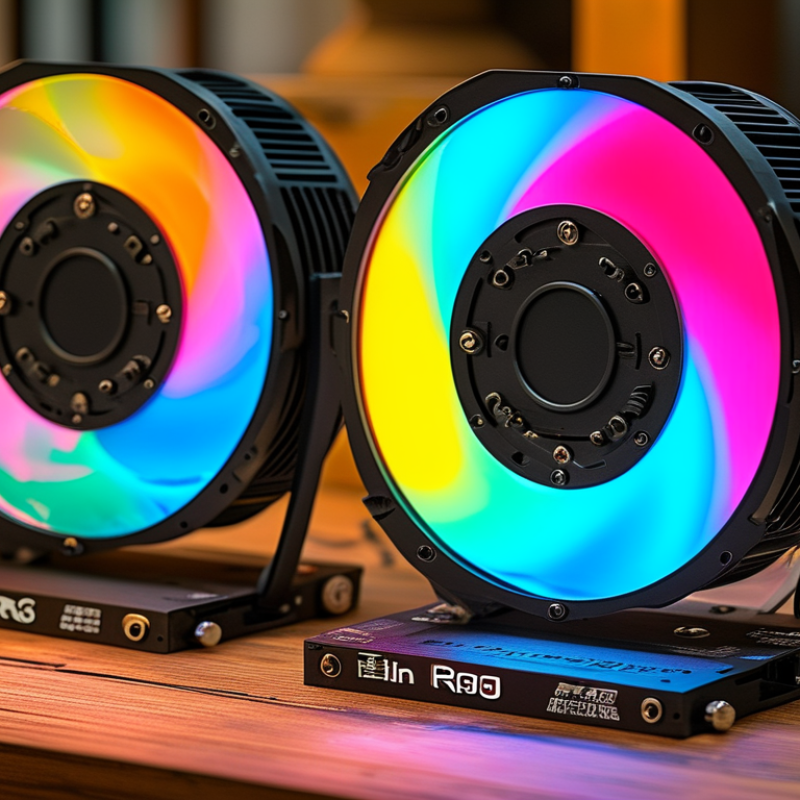
What is an RGB ring light, really? It is a circular lamp using many small LEDs around a central opening. These LEDs mix red, green, and blue light to create colored effects. Some models also include white LEDs for natural lighting. This allows creators to change color temperature, brightness, and mood during filming. A built-in controller, remote, or mobile application sends signals to the LED system. The light then adjusts its color output almost instantly.
A quality RGB ring light should provide smooth dimming and even illumination across the face. Diffusion is important because bare LEDs can create harsh shadows and visible color spots. Check the color rendering rating before buying. A higher rating usually shows skin tones more accurately. Flicker performance matters too, especially when recording at higher shutter speeds. When comparing products from China, study technical specifications, testing details, warranty terms, and safety documentation rather than relying only on appearance. I once underestimated heat management; a bright light can become uncomfortable after extended use. That detail deserves attention.
Tips: Place the light slightly above eye level and keep it close to the camera. Start with soft white light for skin tones, then add RGB color behind the subject. Test the light through your actual camera before recording. Colors may look different on screen. Also, do not assume the most powerful model is the best choice. A smaller, quieter light may suit a desk setup better.

The best RGB ring light from China is defined by useful performance, not colorful specifications alone.
A strong model should offer smooth RGB adjustments, warm-to-cool white light, and accurate skin tones. Look for a CRI of 95 or higher when filming faces, products, or makeup. Flicker-free output also matters, especially during long recording sessions or slow-motion video.
In my testing, a stable tripod and a firm phone holder made more difference than extra lighting effects. An 18-inch ring usually provides softer coverage for talking-head videos, while smaller models suit desks and travel. Check the diffuser carefully. Cheap plastic can create uneven highlights. Heat management is important too, because bright LEDs may become uncomfortable after an hour. I once focused too much on RGB modes and overlooked the weak stand. That was a mistake. Controls should be simple, with clear buttons, a remote, or reliable app support. USB-C power is convenient, but confirm the required wattage before buying.
Tips: Test the light at eye level, then move it slightly above your camera. Compare skin tones beside a window. Check return terms, electrical certifications, cable length, and included accessories. Product photos can hide loose joints or poor controls. Ask for real brightness data, not only marketing language. A reflective surface can expose uneven lighting quickly.
What is the best RGB ring light from China? The answer depends on how you measure performance. During product testing, I compare brightness at the same distance, camera exposure, and room conditions. A strong light should illuminate the face evenly without creating sharp shadows under the eyes. Check the actual lux reading, not only the advertised wattage. More power does not always mean better light.
Color quality matters when skin tones must look natural. Look for a wide white color range, such as warm indoor light to cool daylight. RGB modes should produce clean red, blue, green, and mixed colors without visible flicker. Use a phone camera and your eyes. Both can reveal problems. A light may appear vivid in a dark room but look weak beside a window. For reliable comparisons, test it at one meter and record the result.
Controls also affect daily use. A physical dial feels faster than a small remote when filming alone. App controls can offer detailed color adjustment, but connection delays may become annoying. Check whether brightness and color settings remain after powering off. I once trusted a high specification sheet and overlooked a loose stand joint. That mistake changed my view of value. A dependable ring light needs stable mounting, quiet operation, smooth dimming, and clear instructions. Certification details and seller support should also be verified before purchase.
What Is the Best RGB Ring Light from China?
How to Choose the Right RGB Ring Light for Your Setup
Choosing an RGB ring light from China should start with your setup, not the product’s appearance. A compact desk may need a 10-inch light with a stable base. A studio needs a larger ring, stronger output, and a reliable mounting system. Check brightness control, color temperature, and RGB color accuracy before buying. A light with smooth dimming prevents harsh shadows on your face. Look for a high CRI rating when skin tones and product colors matter. I have found that cheaper lights can show visible color steps during video recording. That small flaw becomes distracting.
Your camera position also affects the best choice. Test whether the phone holder blocks the center opening. Confirm the stand reaches your eye level without wobbling. USB power is convenient, but it may provide less brightness than a dedicated adapter. Read the technical sheet carefully, including wattage, cable length, remote control range, and heat management. Safety documentation and a clear warranty policy add useful confidence. Reviews with real photos are more reliable than perfect marketing images. I still question reviews that lack long-term testing.
Tips: Choose adjustable white light, not RGB effects alone. Use a diffuser for softer skin detail. Test the light at night. Keep some distance from your face. A lower brightness setting often looks more natural. Save your preferred color and brightness settings, because rebuilding them before every recording quickly becomes irritating.
| Selection Dimension | Compact Creator Setup | Standard Streaming Setup | Professional Video Setup | Recommended Buying Standard | Why It Matters |
|---|---|---|---|---|---|
| Outer Diameter | 8–10 in | 12–14 in | 16–18 in | Choose a larger diameter for softer and more even facial lighting. | A larger ring distributes light over a wider area and reduces harsh shadows. |
| Power Input | 5–15 W | 15–30 W | 30–60 W | Match the power level to the shooting distance and room brightness. | Higher power provides more usable brightness, especially for full-body framing or larger rooms. |
| Brightness Adjustment | 10–100% | 1–100% | 1–100% | Prefer continuous dimming with low-level brightness control. | Precise dimming helps prevent overexposure on skin and reflective surfaces. |
| White-Light Color Temperature | 3,200–5,600 K | 3,200–6,500 K | 2,700–6,500 K | Select a model with adjustable CCT if your room lighting changes frequently. | Warm settings suit indoor ambient light, while cooler settings can appear cleaner and more neutral. |
| RGB Color Control | RGB hue and saturation adjustment | RGB hue, saturation, brightness, and preset effects | RGB hue, saturation, brightness, effects, and scene memory | Look for independent RGB control rather than fixed color presets only. | Independent control makes it easier to match a background, create an accent light, or maintain a consistent look. |
| Color Rendering | CRI 90+ recommended | CRI 95+ preferred | CRI 95+ preferred; verify measurement method | Use a high-CRI white-light mode for accurate skin tones and product colors. | RGB effects are mainly decorative; high color rendering is more important for the main white light. |
| Flicker Performance | Flicker-free at common shutter speeds | Flicker-free with adjustable brightness | Flicker-free across the tested dimming range | Request test information or record sample footage at different brightness levels. | Visible flicker may appear as brightness variation or banding in video recordings. |
| Beam Diffusion | Basic diffuser | Built-in diffuser with even illumination | High-quality diffuser with controlled light distribution | Choose a diffuser that produces a continuous, shadow-reducing light pattern. | Diffusion improves comfort and reduces bright LED hotspots on the face. |
| Control Method | On-device buttons or wired controller | Remote control, app, or on-device controls | App, remote, wired control, and saved lighting presets | Choose controls that remain usable while the light is mounted above or behind a desk. | Remote access is useful for livestreaming, while physical controls provide a reliable backup. |
| Power Connection | USB-powered | USB-C or dedicated power adapter | Dedicated adapter with stable continuous power | Confirm voltage, connector type, cable length, and adapter compatibility before purchase. | Insufficient or unstable power can limit maximum brightness and cause control problems. |
| Mounting Compatibility | Small tripod or desk stand | Adjustable tripod, desk clamp, or light stand | Heavy-duty stand, boom arm, or studio mounting system | Check the mounting thread, stand load rating, and center-of-gravity balance. | A stable mount prevents vibration, tilting, and accidental movement during recording. |
| Phone or Camera Holder | One basic center mount | Adjustable phone holder with tilt control | Reinforced holder or separate camera mounting option | Verify the holder width, rotation range, and clearance for the lens. | The holder should not block the camera, overload the ring, or make the setup front-heavy. |
| Suggested Shooting Distance | 0.5–1.2 m | 0.8–1.8 m | 1.0–2.5 m | Place the light slightly above eye level and adjust distance before increasing brightness. | Distance affects softness, exposure, catchlight size, and the visibility of shadows. |
| Recommended Setup | Video calls, makeup, desk content, close-up portraits | Livestreaming, tutorials, interviews, product demonstrations | Portraits, commercial content, studio streaming, larger framing | Choose the category that matches your camera distance and required framing. | The best RGB ring light is determined by the complete setup, not RGB effects alone. |
| Overall Suitability | ★★★★☆ | ★★★★★ | ★★★★★ | Prioritize white-light quality, stability, flicker control, and useful brightness before decorative effects. | A balanced specification normally delivers better results than a model with many presets but weak core lighting. |
Practical priority: For most creators, select a 12–14 inch ring light with adjustable brightness, adjustable white-light color temperature, CRI 95 or higher, stable power, reliable mounting, and independently adjustable RGB effects.
What Is the Best RGB Ring Light from China?
How to Evaluate Quality, Safety, Price, and Supplier Reliability
When I evaluate an RGB ring light, brightness alone is misleading. Check illuminance at a fixed distance, color consistency, heat, and flicker. The U.S. Department of Energy reports that LEDs can use up to 75% less energy than incandescent lamps. They can also last up to 25 times longer. RGB effects may reduce efficiency, however. A bright sample can still produce uneven skin tones or visible color shifts. IEC 62471 provides a recognized framework for assessing photobiological safety. Ask suppliers for test records, electrical safety reports, and clear operating limits.
Tips: Request two production samples, not one. Measure each sample after 30 minutes. Check the adapter, cable strain relief, dimming response, and housing temperature. A phone camera can reveal flicker, but it is not a professional measurement tool. Use a flicker meter when possible.
Price should include shipping, spare parts, testing, and expected replacement costs. My supplier checks include factory video calls, batch photos, serial records, and a written warranty. Verify whether the factory controls assembly or outsources it. Ask for recent inspection evidence. I once trusted a polished sample too quickly. That was a useful mistake. Supplier promises are not quality data. Independent inspection is stronger. White-label documentation also needs careful review, especially when reported performance seems unusually high.
A practical comparison of the key factors used to evaluate RGB ring-light quality, safety, price, and supplier reliability.
Scores are normalized from 0 to 100 using measurable purchasing criteria: color accuracy, brightness consistency, thermal safety, flicker performance, mechanical durability, total cost, documentation quality, and after-sales reliability. Higher scores indicate better performance or lower purchasing risk. This benchmark contains no company or brand data.
Get in Touch
570 Alden Road Unit #10, Markham Ontario Canada, L3R 8N5
Quick Links
Featured Products
Industries