2026 Top Galvanized Steel Pipe for Water Types
Choosing the 2026 Top Galvanized Steel Pipe For Water requires more than comparing price and appearance. Engineers examine coating thickness, pipe dimensions, connection methods, and expected service conditions. A bright surface can look convincing, but it does not prove long-term performance. The zinc layer must be continuous, firmly bonded, and properly inspected. Small details matter.
Gregory Crawford of the American Galvanizers Association has stated, “A galvanized coating protects steel through both barrier protection and sacrificial protection.” This principle explains why hot-dip galvanized pipe remains attractive for many water distribution, irrigation, agricultural, and utility applications. The zinc coating shields steel from moisture while offering additional protection when minor surface damage occurs. However, no material is perfect. Water chemistry, temperature, flow velocity, and contact with dissimilar metals can influence service life.
This guide examines leading Galvanized Steel Pipe For Water types for 2026. It considers hot-dip galvanized options, threaded pipe, grooved systems, welded sections, and different wall thicknesses. Practical selection begins with the water itself. Potable water projects may require specific certifications and regional compliance documentation. Industrial systems may demand stronger corrosion controls. Installation quality also matters. Poorly sealed threads, rough handling, and trapped moisture can weaken an otherwise reliable system. We will compare these issues with real jobsite conditions, including muddy trenches, exposed outdoor runs, and pump-room connections. Some recommendations remain debatable. That is worth admitting. A pipe that performs well in one region may disappoint elsewhere. Evidence should guide the final decision.
What Galvanized Steel Pipe for Water Is
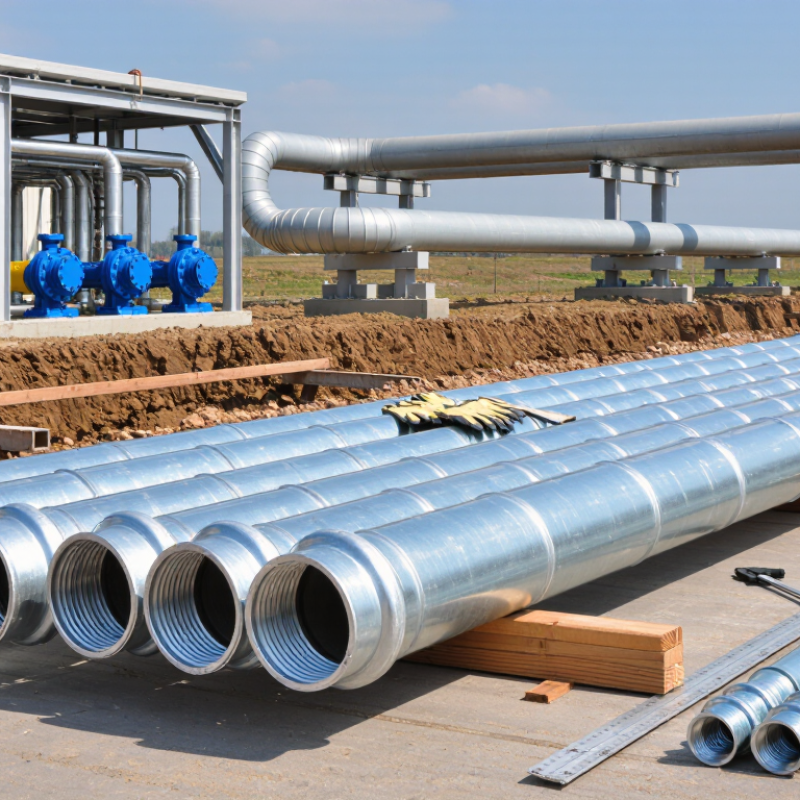
Galvanized steel pipe for water is a carbon steel tube coated with zinc. The zinc layer helps protect the steel from moisture and oxygen. Hot-dip galvanizing usually creates a thicker, more durable coating than simple surface plating. The finished pipe has a silver-gray appearance and a familiar metallic weight. It can carry cold water through residential, agricultural, and industrial systems.
This pipe is commonly joined with threaded fittings, unions, or mechanical couplings. Its strength suits exposed runs, pump rooms, and locations where impact resistance matters. In practical inspections, I look for rust at threads, joints, and cut ends. These areas often lose protection first. Internal scale can also reduce the passage, especially in older installations. It is not flawless.
For drinking-water service, pipe selection must follow current local standards and water-quality requirements. Water chemistry matters. Acidic or highly mineralized water may attack the zinc coating faster. Stagnant water can create an unpleasant metallic taste and discoloration. A certified installer should verify coating quality, pressure rating, connection compatibility, and intended water use. Testing the source water is wise, though often overlooked. A pipe may look sound outside while corrosion develops inside. That detail deserves careful attention when choosing a 2026 water-pipe system.
Main Types of Galvanized Steel Water Pipe
2026 Top Galvanized Steel Pipe for Water Types
Galvanized steel water pipe is not one uniform product. Its zinc layer, manufacturing method, and intended service can differ considerably. The main types include hot-dip galvanized, pre-galvanized, welded, and seamless pipe. Each responds differently during cutting, threading, transport, and installation. That difference matters near pumps, exposed risers, and buried connections.
Hot-dip galvanized pipe receives zinc after fabrication, creating a comparatively continuous coating inside and outside. It suits many general water lines when dimensions and water chemistry match project requirements. Pre-galvanized pipe is coated before forming, so cut edges and welded areas need careful inspection. It often fits light-duty indoor plumbing, but damaged coating can become an early corrosion point. Galvanized welded pipe is economical and widely available. Seamless pipe offers a uniform steel body, yet its higher cost may not add value for ordinary low-pressure service.
During selection, check nominal size, wall thickness, pressure rating, thread quality, and applicable drinking-water standards. Water with high chloride content can shorten service life, even when the surface looks bright. I have seen installers focus on zinc appearance and overlook internal scale. That is an avoidable mistake. Inspect every cut end, remove metal chips, and use compatible fittings. Buried sections also need approved protection against soil corrosion. No pipe is perfect. Keep test records, coating measurements, and water chemistry data with the project file.
How to Choose the Right Pipe for Water Systems
Choosing the right galvanized steel pipe for water begins with water chemistry, not appearance. Test pH, alkalinity, chloride, hardness, and temperature before specifying a coating. Low-pH or high-chloride water can accelerate zinc loss, especially at threaded joints and cut ends. Hot-dip galvanized carbon steel suits many cold-water, service, irrigation, and fire-water applications when pressure ratings match the system design. Verify manufacturing requirements through standards such as ASTM A53 or ASTM A795, and request coating thickness records from the supplier.
Check the water’s intended use. Potable systems require materials accepted under local drinking-water regulations, with documented extraction or leaching compliance. The World Health Organization reported that 2.2 billion people lacked safely managed drinking water in 2022, highlighting the cost of weak material decisions. Pipe selection also affects long-term maintenance. The U.S. Environmental Protection Agency’s 2023 Drinking Water Infrastructure Needs Survey estimated $625 billion in drinking-water investment needs over 20 years. Durability matters.
Measure twice.
For installation, compare threaded, grooved, and flanged connections. Threads can expose bare steel unless protected correctly. Inspect damaged zinc surfaces, remove debris, and avoid mixing incompatible metals without dielectric protection. I would also review flow velocity and stagnant sections, because galvanized pipe can perform poorly where water remains still. That detail is easy to miss. Ask for pressure-test records, coating inspection results, and evidence of suitability for the actual water chemistry, not merely a generic product certificate.
Maintenance, Safety, and Service Life Considerations
2026 Top Galvanized Steel Pipe for Water Types
Maintenance, Safety, and Service Life Considerations
Hot-dip galvanized steel pipe remains useful for many water systems. Its zinc coating protects the steel from moisture and physical wear. However, the best pipe type depends on water chemistry, pressure, temperature, and installation conditions. Potable-water use also requires approval under applicable local standards. Galvanized pipe is not automatically suitable for every drinking-water application.
Inspect exposed sections at least annually. Look for white zinc deposits, reddish stains, thread damage, and damp joints. A clean exterior can mislead. Corrosion often begins inside the pipe, especially where water remains stagnant. Flush rarely used lines, repair leaks quickly, and keep supports firm. Sediment can reduce flow and increase pressure loss. Simple records help reveal recurring problems.
Safety needs attention during cutting and repair. Deburr each cut end, protect workers from sharp edges, and use suitable eye protection. Never weld galvanized coating without controlled ventilation and proper respiratory protection. Zinc fumes are hazardous. Isolate galvanized steel from dissimilar metals when required, especially copper, because galvanic corrosion may accelerate failure. In field inspections, neglected threaded joints often fail before the pipe wall. Service life varies widely; good drainage, compatible fittings, stable water chemistry, and regular inspection matter more than a fixed lifespan. Some installations last decades, while poorly maintained systems deteriorate much sooner.