What Are the 2026 Top PV Cable Harness Suppliers?
Choosing the 2026 top PV Cable Harness suppliers requires more than comparing prices or production volumes. A reliable supplier must control copper quality, crimp force, insulation thickness, connector fit, and sealing performance. These details matter when a harness remains under heat, ultraviolet exposure, moisture, and mechanical stress for decades.
Dr. John H. Wohlgemuth, a respected photovoltaic reliability researcher, has said, “Reliability is the key to the success of photovoltaics.” His observation gives this supplier review a practical direction. The strongest companies should demonstrate traceable materials, stable automated production, documented testing, and consistent field performance. Certifications help, but they do not tell the entire story. A factory may present impressive certificates while offering weak process control or limited after-sales support.
Real evidence matters.
This overview will examine manufacturers through engineering capability, connector compatibility, electrical safety, environmental resistance, delivery capacity, and customer experience. It will also consider whether suppliers can support changing module designs, higher current ratings, and utility-scale project demands. Some rankings may remain debatable, because public supplier data is incomplete and regional performance can vary. That uncertainty deserves attention rather than a polished but unrealistic conclusion. Buyers should verify samples, inspection records, warranty terms, and production capacity before signing major contracts. The best PV Cable Harness supplier is not always the largest company. It is the partner that delivers predictable quality when the installation faces its first harsh winter.
What Are PV Cable Harnesses and Why Do They Matter in 2026?
What Are PV Cable Harnesses and Why Do They Matter in 2026?
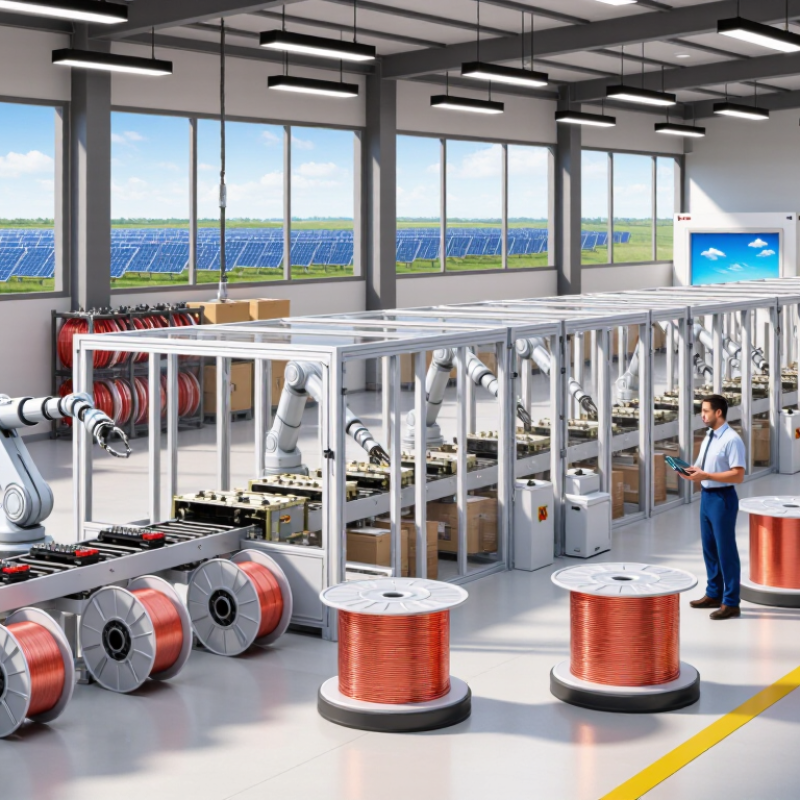
PV cable harnesses are pre-assembled cable sets used to connect solar modules, junction boxes, inverters, and combiner equipment. They usually include photovoltaic cables, connectors, crimped terminals, and protective routing features. Their job seems simple. Their failure can be expensive.
The IEA PVPS Trends 2024 report recorded about 447 GW of new photovoltaic capacity installed worldwide in 2023. That scale increases pressure on every connection. A poorly crimped terminal can create resistance, heat, and power loss inside a crowded cable tray. NREL research on photovoltaic reliability also highlights moisture, thermal cycling, ultraviolet exposure, and connector quality as important field risks. In 2026, leading suppliers should provide traceable materials, controlled crimping, validated compatibility, and clear test records. A low purchase price may look efficient. It may not remain efficient after repeated heat cycles.
Tips: Check connector compatibility, cable cross-section, insulation ratings, bend radius, and installation torque. Ask for third-party test evidence and batch traceability. Inspect sample harnesses physically, not only through certificates. Small details matter.
SolarPower Europe’s Global Market Outlook 2024–2028 expects continued global solar growth, although policy and grid constraints may change deployment speed. This creates a practical challenge for harness suppliers: capacity must expand without weakening process control. I would not treat every factory with large output as a top supplier. Experience in humid, desert, and cold climates matters. Even careful specifications can miss field behavior. That is why pilot installations, thermal checks, and periodic inspection remain necessary in 2026.
How Are the Leading PV Cable Harness Suppliers Evaluated?
The 2026 top PV cable harness suppliers should be evaluated by evidence, not advertising claims. Market scale matters: IRENA’s Renewable Capacity Statistics 2025 reported about 1,865 GW of global solar capacity at the end of 2024. That expansion increases demand for consistent cable assemblies, but volume alone proves little. A strong supplier should provide traceable materials, controlled crimping, documented torque values, and repeatable electrical testing.
Technical compliance is the next filter. Evaluators should check alignment with IEC 62930 for photovoltaic cables, IEC 62852 for DC connectors, and relevant national certification requirements. Factory audits should examine conductor resistance, insulation thickness, pull-out force, waterproofing, and thermal cycling. The IEA PVPS Trends 2024 report shows continuing rapid PV deployment, making long-term reliability more important than a low purchase price. A harness that fails beside a remote inverter can create expensive downtime.
Evidence must remain practical. Review batch records, sample test reports, warranty data, and corrective-action history. Ask whether the supplier can maintain stable performance across different cable lengths and connector combinations. ISO 9001 certification is useful, but it does not replace production inspection. That distinction is often missed. Supplier scoring should also include delivery resilience, engineering response time, recycling documentation, and change-control discipline. Public reports may use different capacity estimates, so comparisons need care. I would not rank a supplier highly without independent test evidence, even when its factory appears impressive. A clean audit is only one moment. Reliability is measured over years.
Which Companies Rank Among the Top PV Cable Harness Suppliers?
In 2026, the top PV cable harness suppliers are those that combine stable production, verified materials, and strong field experience. Ranking should not depend on price alone. Reliable suppliers typically provide UV-resistant insulation, tinned copper conductors, secure connectors, and traceable quality records. Their harnesses should withstand heat, moisture, vibration, and repeated outdoor exposure.
Leading companies also support custom lengths, connector layouts, and automated assembly for large solar projects. Experienced suppliers usually offer clear testing data, including insulation resistance, continuity, pull-force, and water-resistance results. Their engineers should explain design limits without hiding weak points. That matters. A supplier may have impressive factory equipment but inconsistent delivery records. This is where buyers need careful review.
Tips: Request recent test reports and production samples. Compare cable flexibility, connector fit, labeling, and packaging. Ask how defective units are identified and replaced. Check whether quality records match the delivered batch. Do not trust polished brochures alone. A factory visit can reveal manual handling, storage problems, or rushed inspections. It is also wise to review performance after one full seasonal cycle, because early results can look better than long-term reality.
How Do Top Suppliers Compare in Quality, Compliance, and Capacity?
As global solar deployment expands, supplier comparison must move beyond price. IRENA’s Renewable Capacity Statistics 2025 reported 1,865 GW of installed solar capacity worldwide at the end of 2024. This scale increases pressure on PV cable harness suppliers to deliver consistent crimping, insulation, and connector assembly. The strongest suppliers show batch records, pull-test results, and stable electrical resistance across production lots.
Quality begins with materials and process control. IEC 62930 and EN 50618 define important requirements for photovoltaic cables, including insulation performance and environmental durability. Suppliers should also provide testing evidence for heat, moisture, ultraviolet exposure, and mechanical stress. UL 4703 may support market access in North America, while ISO 9001 indicates a controlled quality system. Certification alone is not enough. I would still request recent audit reports and sample test data.
Capacity is more than factory size. IEA PVPS reports continued rapid PV manufacturing expansion, but supply reliability can remain uneven. A capable supplier should disclose monthly harness output, equipment redundancy, copper sourcing, and lead-time history. Automated crimping helps reduce variation, yet operator training still matters. Small defects can become costly field failures. Some evaluations overlook packaging and storage conditions, which is a mistake. Comparing suppliers through traceability, verified compliance, and realistic delivery records gives buyers a more practical view of 2026 readiness.