2026 Best Vision Systems for Global Buyers?

Choosing the best vision systems for global buyers in 2026 requires more than comparing camera resolution or processor speed. Manufacturers now evaluate inspection accuracy, lighting stability, software compatibility, cybersecurity, service coverage, and total ownership cost. A system that performs perfectly in a laboratory may struggle beside a vibrating conveyor, under changing factory lights, or after months of dust exposure.

Dr. Berthold K. P. Horn, a pioneer in computer vision, stated, “The goal of computer vision is to make computers see.” That goal remains practical, not poetic. Modern vision systems must detect missing components, measure edges within tight tolerances, read codes, and reject defects within milliseconds. Buyers should request production samples, repeatability data, integration diagrams, and documented maintenance procedures. Ask difficult questions.

Global purchasing also requires careful attention to regional support, data handling, operator training, and applicable industry standards. These factors can influence deployment more than a higher megapixel count. Experienced engineers often test lenses, lighting, and algorithms together, because a strong camera cannot rescue poor illumination. Even trusted suppliers may present incomplete performance figures. Reflection matters here. No single platform is ideal for every plant, product, or budget. A buyer may value artificial intelligence, while another needs deterministic rules, simple diagnostics, or long-term spare-part availability. This guide compares leading vision systems through those real-world conditions, helping decision-makers separate impressive demonstrations from dependable production performance.
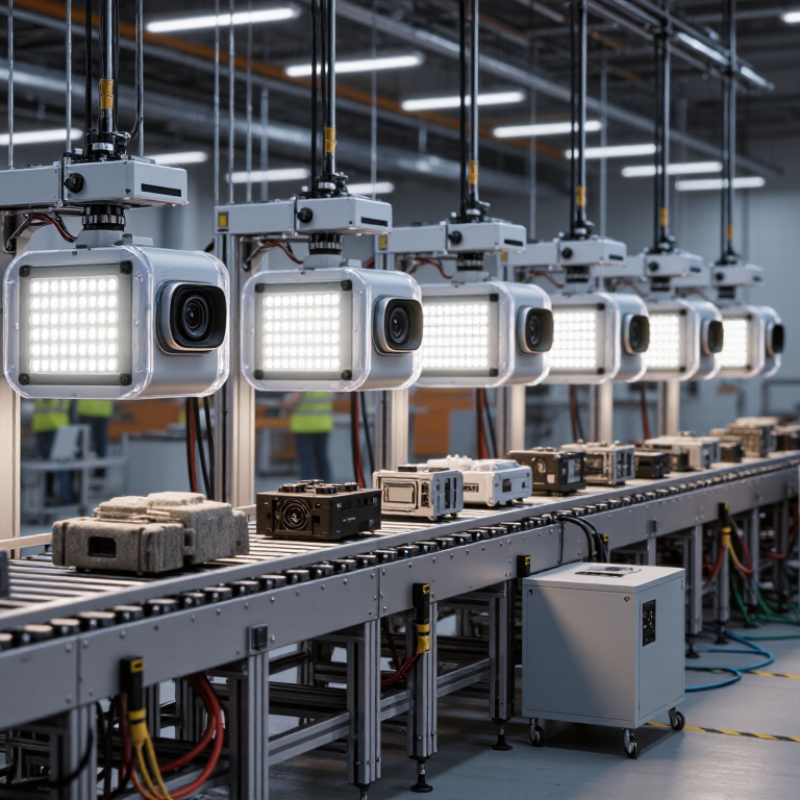
2026 Best Vision Systems for Global Buyers?

What Vision Systems Are and How They Work

2026 Best Vision Systems for Global Buyers?

What Vision Systems Are and How They Work

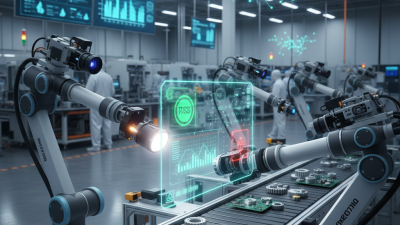
A vision system is an industrial tool that helps equipment see, measure, and identify objects. It combines a camera, lens, lighting, processor, and inspection software. A trigger starts the image capture when a product reaches a defined position. The processor then compares visual data with programmed criteria.

In a packaging line, the camera may check a label’s position, seal, color, or printed code. Good lighting matters as much as camera resolution. Glare can hide a defect. Dust can soften an edge. Software measures shapes, distances, patterns, and surface changes, then sends a result to the production control system.

The response may be simple: accept, reject, or request human review.

Reliable selection requires more than comparing pixel counts. Buyers should test real samples, including damaged, reflective, dark, and unusually shaped items. I have seen systems perform well in demonstrations but struggle when vibration, changing light, or dirty lenses enter the process. That weakness deserves attention.

Ask for test records, calibration guidance, operating temperature ranges, data protection details, and service procedures. A system should also fit local electrical standards and workforce skills. Clear documentation is not decoration. It affects uptime, training, and the accuracy of every inspection.

Key Technologies Shaping Vision Systems in 2026

In 2026, vision systems will move beyond simple defect detection. Edge AI will process images beside the production line, reducing latency and data-transfer costs. The International Federation of Robotics’ World Robotics 2024 report recorded 541,302 industrial robot installations in 2023. That installed base creates strong demand for faster, more adaptive visual guidance.

Three technologies deserve close attention.

First, 3D vision will measure height, volume, and surface position, even when lighting changes. A camera mounted above a conveyor can identify a tilted component within milliseconds.

Second, hyperspectral imaging will reveal moisture, chemical differences, and material contamination invisible to standard cameras.

Third, synthetic data and foundation models will help train systems with fewer real defect samples. MarketsandMarkets projects the machine vision market to grow from 2023 levels toward roughly 22 billion US dollars by 2028.

Interoperability will matter as much as accuracy. Systems should connect with robots, manufacturing software, and quality databases through documented interfaces. Cybersecurity also belongs in the purchasing checklist. A precise camera is not useful if its data pipeline is poorly protected. Gartner’s 2024 AI research highlights the growing importance of governance, monitoring, and human oversight in deployed AI. Yet training data can remain biased toward clean factories and predictable parts. That weakness is easy to underestimate. Global buyers should test systems under dust, glare, vibration, and rare defects before approving large-scale deployment.

How to Compare Vision Systems for Global Applications

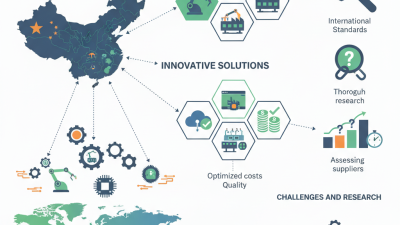
Comparing vision systems for global applications starts with the production task, not the camera price. The International Federation of Robotics reported 541,302 industrial robots installed worldwide in 2023. That scale reflects very different factories, lighting conditions, languages, and maintenance skills. A system tested under bright laboratory lights may struggle beside a dusty conveyor.

Check resolution, frame rate, lens flexibility, lighting control, and inspection speed together. A five-megapixel camera is not automatically better. Small defects need suitable optics, stable illumination, and repeatable calibration. In food, packaging, or automotive lines, verify temperature limits and ingress protection ratings. The ISO 12100 risk-assessment approach can also help teams identify unsafe integration points before deployment.

Global buyers should compare communication protocols, data formats, cybersecurity controls, and local service coverage. The NIST Cybersecurity Framework recommends identifying, protecting, detecting, responding, and recovering from digital risks. These principles matter when cameras connect to factory networks or cloud dashboards. Ask suppliers for measured accuracy, false-rejection rates, sample images, and test conditions. Demand evidence.

A field trial is better than a polished demonstration. Use real parts, damaged parts, reflections, vibration, and shift changes. Record results across several operators. Some comparisons remain imperfect because defect samples are limited. That weakness should be documented, not hidden. Also calculate total ownership cost, including lighting replacement, recalibration, training, software updates, and downtime. A lower purchase price can become expensive after twelve months.

Industry-Specific Uses and Integration Requirements

2026 Best Vision Systems for Global Buyers?

Industry-Specific Uses and Integration Requirements

The best vision system depends on the production problem, not the camera specification.

In automotive plants, high-speed cameras inspect weld seams, bolt presence, and paint defects. These systems need stable lighting, vibration-resistant mounts, and millisecond-level communication with robotic controllers. A small delay can stop an entire assembly line.

Food processors require different priorities. Vision tools check package seals, label placement, fill levels, and foreign material risks. Stainless-steel housings, washdown protection, and hygienic cable routing matter more than extreme image resolution.

In pharmaceutical production, traceability is critical. The system should link images, batch records, inspection results, and user permissions through validated software.

Electronics factories often inspect tiny solder joints and component positions. They need precise optics, controlled lighting, and frequent calibration.

Logistics centers favor barcode reading, dimension measurement, and parcel sorting. Their integration usually involves warehouse software, programmable controllers, and real-time conveyor signals.

A reliable installation begins with the existing workflow.

Check trigger timing, network load, mounting space, and data ownership before choosing hardware. Industrial Ethernet, digital I/O, and standard APIs can simplify communication. Edge processing may reduce cloud dependence and response time.

Field experience shows that integration is often harder than inspection.

Dust, reflective surfaces, changing products, and operator habits can weaken accuracy. I have seen excellent cameras fail because lighting was treated as an afterthought.

Performance also needs regular testing, documented tolerances, and human review when results look uncertain.

No system is perfect.

Global Buying Factors: Cost, Support, Compliance, and Scalability

Selecting a vision system for global purchasing requires more than comparing camera resolution. Total cost includes lenses, lighting, integration, training, maintenance, and replacement parts. A low quotation can become expensive after installation. Cash flow matters. Request a five-year cost model, including downtime estimates and software updates. In my experience, buyers often underestimate integration labor.

Support quality should be measured before signing a purchase agreement. Ask about response times, remote diagnostics, spare-part availability, and local service coverage. A clear escalation process can protect production during a failed inspection. Support is practical. Test it with a technical question and observe the response. Vague answers may signal future delays.

Compliance also affects deployment speed. Confirm electrical safety documents, product traceability, cybersecurity controls, and required regional certifications. Requirements differ across markets and industries. Keep audit records organized from the pilot stage. Scalability deserves equal attention. The system should support additional cameras, inspection stations, data storage, and changing product formats. Open interfaces can reduce dependence on one integrator. However, “scalable” is sometimes only a sales phrase. Verify performance using sample products, real lighting, and expected production speeds. A small pilot may reveal blind spots, false rejects, or difficult calibration. Plan for operators with different skill levels. Clear screens and repeatable setup procedures reduce training time. Some compromises will remain. The best choice usually balances measurable performance with service reliability, compliance readiness, and expansion costs.

Scroll to Top