Choosing the 2026 best Smoke And Co Detector requires more than comparing app features, battery life, or low prices. A detector may look advanced on a product page, yet perform poorly when installed near a kitchen, boiler, or dusty ceiling. Global buyers need evidence, recognized standards, and practical installation guidance.
The National Fire Protection Association reported that smoke alarms were present in 74% of U.S. home fires from 2018 to 2022. However, alarm presence did not always mean reliable operation. The same report identified missing, disconnected, or failed alarms as major factors in home fire deaths. That detail matters. A loud siren is not enough. The device must detect smoke early, remain powered, and be tested regularly.
Carbon monoxide presents a quieter risk. The U.S. Centers for Disease Control and Prevention states that more than 400 Americans die each year from unintentional carbon monoxide poisoning. The Consumer Product Safety Commission also recommends CO alarms near sleeping areas and on every level of a home. For international buyers, certification is equally important. Smoke alarms should align with standards such as EN 14604 or UL 217, while CO alarms should follow relevant requirements such as EN 50291 or UL 2034. Regional approval still needs checking.
This guide compares sensing technology, certification, false-alarm control, connectivity, and long-term maintenance. It also considers apartments, hotels, rental properties, and family homes. A perfect detector does not exist. Wireless features can fail, batteries expire, and users sometimes ignore warning tones. That limitation deserves honest attention before any purchase.
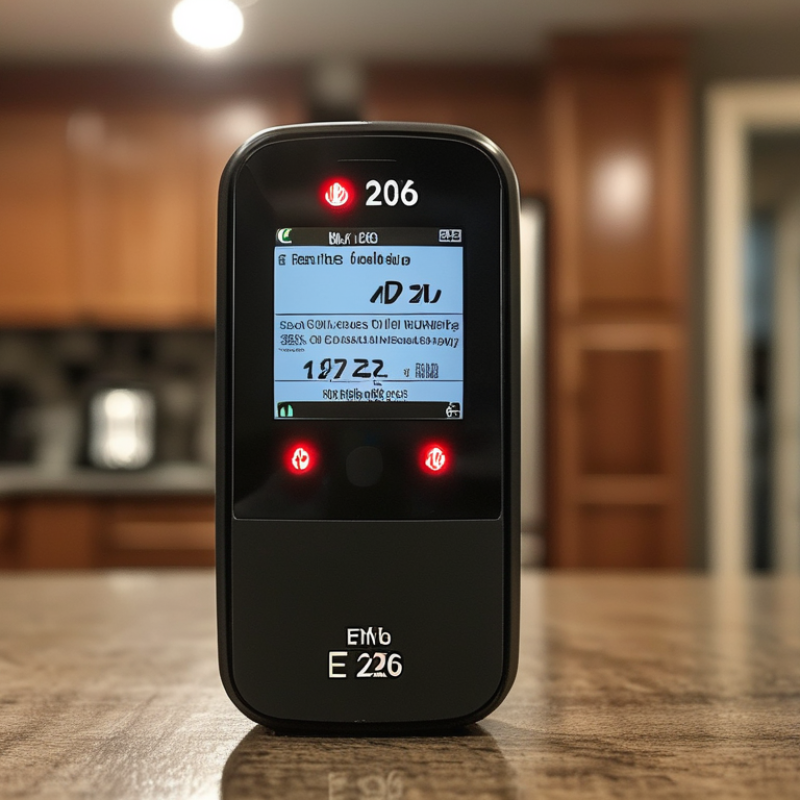
Smoke and carbon monoxide detectors are compact safety devices with distinct jobs. Smoke detectors identify airborne particles from a developing fire. Carbon monoxide detectors measure a colorless, odorless gas produced by incomplete combustion. This gas can build up near heaters, boilers, stoves, fireplaces, or running engines.
Global buyers need both types because fire risks and fuel systems vary by region. A detector suitable for a dry apartment may perform differently in a humid coastal home. Buyers should check local certification requirements, operating temperature, battery life, alarm volume, and replacement guidance. Power compatibility also matters when selecting wired units. Wireless models need reliable communication through walls. Language, app access, and emergency instructions should be clear for every household member.
Placement requires practical judgment. Install smoke detection near sleeping areas and on each floor, following local safety rules. Place carbon monoxide detectors near sleeping spaces, but avoid direct airflow from windows or vents. Test every unit regularly. Replace batteries promptly. Replace the detector when its service life ends.
No detector is perfect. A sealed battery can be convenient, but forgotten replacement dates remain a common weakness. False alarms may also cause people to remove a device, which creates greater danger. Global buyers should review testing records, installation instructions, and after-sales support before purchasing. A low price is not useful if the alarm is difficult to hear, maintain, or trust.

Detection capability differs by sensor type. Smoke alarms detect airborne fire particles, while carbon monoxide alarms require a dedicated CO sensor because CO is invisible and odorless.
How to read this chart: 1 means the detector type is designed to detect the hazard; 0 means it is not designed for that hazard. Combination units use separate smoke and CO sensing functions. Global buyers should confirm local certification, installation, maintenance, and replacement requirements before purchase.
Smoke detectors sense airborne particles from fire, while carbon monoxide (CO) detectors measure a toxic, odorless gas. CO can come from faulty heaters, boilers, fireplaces, or fuel-burning appliances. CO gives no warning. You cannot see or smell it. A combination detector includes both functions, but it does not make either sensor more accurate. It simply places two warning systems in one housing. Smoke alarms often use photoelectric or ionization sensing, and their response can vary with fire conditions. Buyers should check the sensor type, alarm volume, battery life, and certification accepted in their destination country. Standards differ across markets, so a familiar online rating may not be enough.
Tips: Install smoke alarms inside bedrooms, outside sleeping areas, and on every floor. Place CO alarms near sleeping areas and fuel-burning equipment, following the instructions. Avoid dusty corners, bathrooms, windows, and cooking areas. Test each unit monthly. Replace batteries when the warning chirp begins, and replace the detector at its stated end-of-life date. Read the label. Placement matters.
A combination model can save wall space, but separate alarms may offer clearer positioning in larger homes. Do not treat a detector as proof that an appliance is safe. Professional inspection remains important, especially after renovations or repeated alarms. Some buyers focus only on app features and forget basic reliability. That is an easy mistake. A loud, certified, correctly installed detector is usually more valuable than a crowded feature list.
Choosing the best smoke and carbon monoxide detector starts with understanding how each sensor reacts to danger. Photoelectric smoke sensors usually respond well to slow, smoldering fires from furniture or wiring. Ionization sensors can react faster to rapidly flaming fires, but they may produce more nuisance alarms. No sensor wins every room.
Carbon monoxide requires a different method. Electrochemical CO sensors measure gas concentration and generally support more precise alarm decisions than simple heat-based systems. Combination detectors can save space, yet their internal design matters. Check whether smoke and CO alarms operate independently, use separate indicators, and provide clear voice or tone alerts. A quiet bedroom needs strong sound output, not just a bright status light.
Alarm performance involves more than detection speed. During a practical check, press the test button from several rooms away. The signal should remain distinct through closed doors. Look for a low-battery warning, a visible fault indicator, and a silence function that does not disable protection permanently. Sealed batteries reduce maintenance, while replaceable batteries may suit locations with easier access. That trade-off is easy to overlook.
For global buyers, compare certification for the intended market, operating temperature, humidity range, and installation guidance. Wireless linking may improve coverage, but signal loss can create uncertainty. I would not trust a device merely because its packaging lists many features. Test records, sensor type, alarm levels, and replacement dates deserve closer attention. Even careful selection cannot correct poor placement near cooking steam or outside a sleeping area.
| Detector Configuration | Primary Sensing Method | Best Detection Profile | Main Limitations | Typical False-Alarm Risks | Recommended Use |
|---|---|---|---|---|---|
| Photoelectric smoke detector | An LED beam and photodiode detect light scattered by smoke particles. | Generally strong performance for slow, smoldering fires that produce larger visible particles. | May respond more slowly than ionization technology to some rapidly developing flaming fires. | Steam, dust, insects, condensation, and contamination of the optical chamber. | Bedrooms, living areas, hotels, offices, and general residential protection. |
| Ionization smoke detector | A small sealed radioactive source creates an ionized chamber; smoke disrupts the electrical current. | Historically associated with rapid response to some small-particle flaming fires. | Can be less responsive to some smoldering fires and requires controlled handling of the radioactive source. | Cooking aerosols, dust, humidity, and airborne contaminants. | Only where permitted by the destination market and where certification and disposal requirements are fully met. |
| Multi-criteria smoke detector | Combines optical smoke data with additional inputs such as heat, temperature rise, or algorithmic pattern analysis. | Improved discrimination between real fire signatures and nuisance sources when correctly calibrated. | Higher electronic and software complexity; performance depends on algorithm quality and certification. | Steam, heavy dust, welding fumes, and unusual aerosol patterns. | Kitchens nearby, rental properties, commercial buildings, and locations requiring nuisance-alarm reduction. |
| Electrochemical CO detector | Carbon monoxide diffuses through an electrode system and generates an electrical signal proportional to concentration. | High selectivity and strong suitability for low-to-moderate CO concentrations in occupied spaces. | Sensor output can be affected by age, temperature, humidity, and exposure to interfering gases. | Certain solvents, cleaning chemicals, hydrogen, and extreme environmental conditions, depending on sensor design. | Homes, hotels, garages connected to homes, sleeping areas, and rooms containing fuel-burning appliances. |
| Photoelectric smoke plus electrochemical CO detector | Independent optical smoke and electrochemical CO sensing in one alarm. | Provides coverage for both fire smoke and carbon monoxide, with separate alarm logic for each hazard. | Usually costs more and may require more frequent functional testing and battery replacement. | Smoke chamber contamination, steam, dust, and CO sensor interference. | The most practical all-in-one option for many homes, apartments, hotels, and rental properties. |
| Evaluation Dimension | Practical Buyer Benchmark | Why It Matters | What to Verify Before Purchase |
|---|---|---|---|
| Smoke alarm certification | Certification appropriate for the destination market, such as EN 14604 or UL 217. | Smoke-alarm requirements and test methods differ by region. | Confirm the exact certification number, scope, test laboratory, and product model—not only a general compliance statement. |
| CO alarm certification | Certification appropriate for the market, such as EN 50291 or UL 2034. | CO alarm response times and testing requirements are defined by the applicable standard. | Check whether the standard covers residential use, travel use, marine use, or another specific application. |
| CO response time under EN 50291 | At 50 ppm: 60–90 minutes; at 100 ppm: 10–40 minutes; at 300 ppm: within 3 minutes. | The alarm is designed to consider both CO concentration and exposure duration. | Confirm that the published response data applies to the complete certified product. |
| CO response time under UL 2034 | At 70 ppm: 60–240 minutes; at 150 ppm: 10–50 minutes; at 400 ppm: 4–15 minutes. | Provides a reference for products evaluated under this North American residential CO-alarm standard. | Do not compare response times across standards without checking the test concentration and test conditions. |
| Alarm sound level | Many residential alarms specify approximately 85 dB at 3 m, subject to the applicable standard and test method. | A loud, distinctive signal is essential during sleep or when background noise is present. | Check measured sound pressure, frequency pattern, visual indicators, and whether smoke and CO alarms use different sounds. |
| Low-battery warning | A clear audible and visual warning before battery depletion; exact duration depends on the standard and design. | Unnoticed low batteries are a common cause of non-operational alarms. | Look for test-button verification, end-of-life indication, and a warning pattern that is distinct from a fire or CO alarm. |
| Power architecture | Replaceable batteries, sealed long-life batteries, or mains power with battery backup. | Power continuity directly affects protection reliability. | Confirm battery type, expected service life, backup behavior during outages, and local replacement availability. |
| Sensor service life | Many residential alarms recommend replacement after approximately 7–10 years, depending on the product and standard. | Smoke chambers and CO cells can drift or degrade even when the alarm still produces a test sound. | Verify the replacement date, end-of-life alert, warranty period, and availability of replacement units. |
| Interconnection | Wired or wireless interconnection, with all compatible alarms sounding together. | Interconnection can provide earlier warning in large homes and multi-room buildings. | Check maximum number of linked units, communication range, compatibility, and behavior during signal loss. |
| Environmental operating range | Common residential products operate near 0–40°C, but the specified range varies by model. | Temperature and humidity can influence sensor stability and battery performance. | Compare the operating temperature, relative humidity, ingress protection, and altitude limits with the installation site. |
Reference note: Response-time figures shown above are standard-defined test values for the stated CO concentrations and are not a guarantee of real-world response time in every installation. Always select a detector certified for the destination country and follow the applicable installation instructions.
2026 Best Smoke And CO Detector For Global Buyers?
Global compliance is not a decorative label. It affects testing, placement, alarms, and maintenance. NFPA’s Home Structure Fires report found that smoke alarms operated in 88% of reported U.S. home fires from 2018–2022. However, alarm failure still caused avoidable risk. Missing or dead batteries remained common problems. The U.S. market commonly references UL 217 for smoke alarms and UL 2034 for carbon monoxide alarms. European buyers should check EN 14604 and EN 50291-1. Australia uses AS 3786 for smoke alarms. Requirements differ. One certificate rarely fits every market.
The U.S. Consumer Product Safety Commission reports more than 400 annual deaths from unintentional carbon monoxide poisoning. That figure makes sensor quality and installation equally important. Buyers should verify the exact model number, certificate scope, testing laboratory, and production date. ISO/IEC 17025 accreditation can strengthen confidence in laboratory results. Check local language warnings, electrical frequency, replacement sensor life, and temperature limits. A product may pass a test, yet fail through poor placement. That is an uncomfortable but practical reality.
Tips: Ask sellers for current certificates, not screenshots. Confirm whether certification covers smoke, CO, or both. Review regional spacing rules before installation. Test every alarm monthly. Replace units according to the manufacturer’s stated life. I would also keep purchase records for audits and warranty questions. Small details matter.
For global buyers, the best smoke and carbon monoxide detector starts with correct placement, not an impressive feature list. Install smoke units near sleeping areas and on every floor, following local building guidance. Keep them away from cooking steam, bathrooms, vents, and dusty corners. CO detectors belong near bedrooms and fuel-burning equipment, but not directly beside appliances. Use the supplied mounting hardware, test the alarm after fitting, and record the installation date. I have seen a well-rated detector fail early because paint dust blocked its sensor. Small details matter.
Press the test button monthly, and check the alarm sound from another room. Replace batteries when the low-power warning begins; do not wait for silence. Clean exterior openings gently with a soft brush or vacuum. Never spray liquid into the housing. Replace the complete unit according to its sensor life, often around ten years, while checking its label. A detector can look new and still be aging inside. Maintenance schedules may be too optimistic, especially in humid or dusty homes. Recheck them after renovation, heating changes, or long periods away.
Smart models may send phone alerts, show battery status, and connect several alarms. These features help only when Wi-Fi, power, and app permissions remain reliable. Choose loudness, sensor type, backup power, language support, mounting method, and certification recognized in the destination market. Confirm replacement parts and customer support before ordering internationally. Avoid judging safety by price alone. A cheaper unit may cost more through frequent batteries or difficult installation. Read independent test evidence, not only seller claims. No device replaces an evacuation plan.
Get in Touch
570 Alden Road Unit #10, Markham Ontario Canada, L3R 8N5
Quick Links
Featured Products
Industries